- +86 13837949030 +86 15890619536
- info@lymcbearings.com
- Bearing Zone,Luoxin Industrial Cluster, Luoyang City,Henan Province,China

Time:2026-04-27 08:27:06 Source:LYMC Slewing Bearing
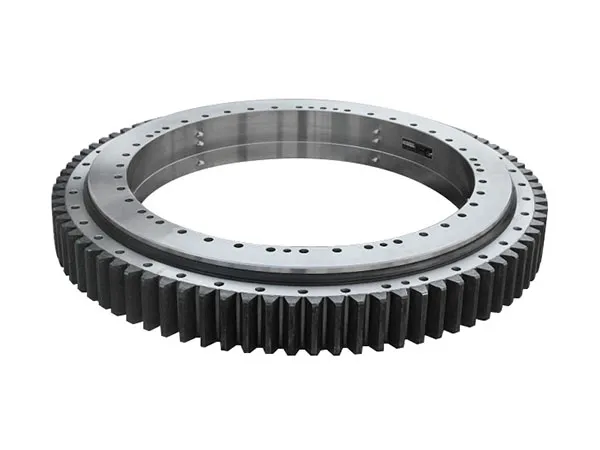
In the evolving landscape of oil, gas, and geothermal exploration, drilling rigs are facing unprecedented operational demands. Modern rigs are expected to operate under higher torque loads, deeper well conditions, and increasingly challenging environments. Meeting these high torque requirements without compromising reliability has become a crucial engineering challenge. One component that has proven indispensable in addressing these challenges is the triple-row roller bearing.
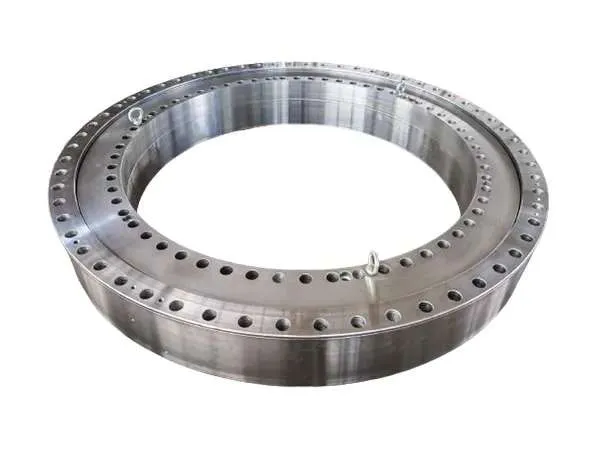
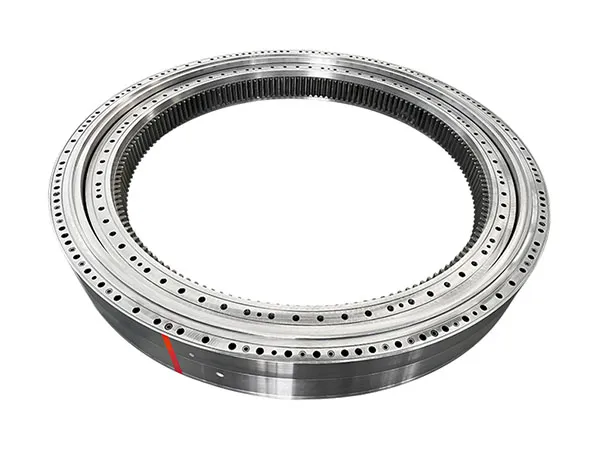
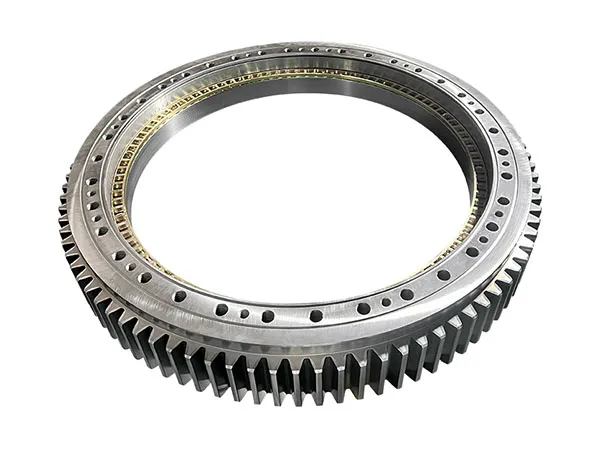
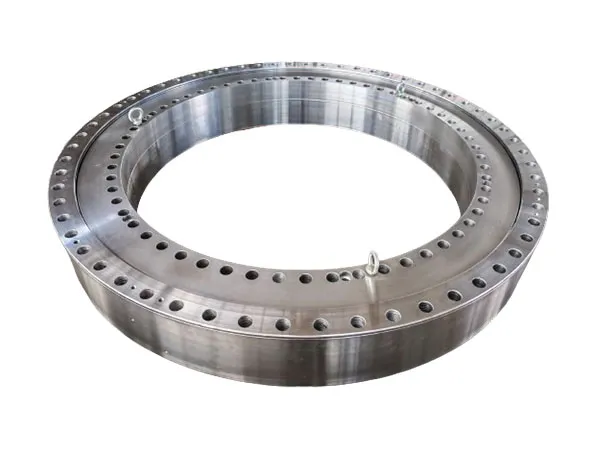
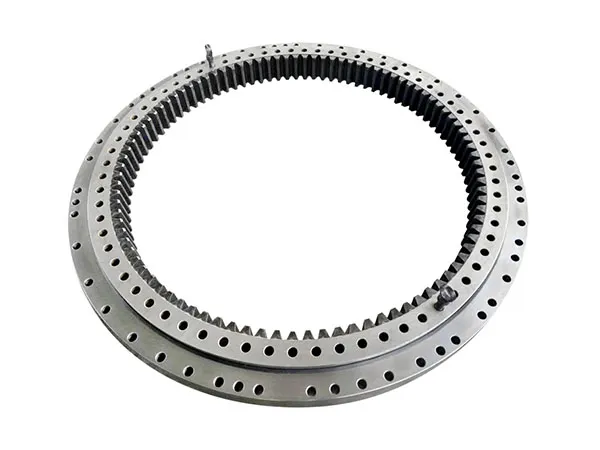
Triple-row roller bearings differ significantly from conventional single or double-row designs. Their unique configuration, featuring three parallel rows of cylindrical or tapered rollers, allows for superior load distribution. This design ensures that both radial and axial forces generated during high-torque drilling operations are evenly supported. Unlike single-row bearings, which can experience premature wear under heavy axial loads, triple-row bearings maintain structural integrity and operational precision even in the most demanding conditions.
Modern drilling rigs often require the transmission of extremely high torque from the top drive or rotary table to the drill string. Conventional bearings may fail to provide the necessary support due to localized stress concentrations, leading to excessive vibration, wear, and ultimately unplanned downtime. Triple-row roller bearings mitigate these risks by increasing the contact surface area between rollers and raceways. This expansion of contact zones reduces peak stress levels, improves load sharing, and enhances the bearing’s capacity to handle combined radial and axial loads simultaneously. As a result, rigs equipped with triple-row roller bearings experience smoother torque transfer, higher operational stability, and prolonged service life.
Durability and reliability are particularly critical in drilling environments where maintenance opportunities are limited and costly. Triple-row roller bearings are engineered to withstand not only high torque but also harsh conditions such as extreme temperatures, high pressures, and exposure to drilling fluids. Their robust design minimizes deformation and maintains alignment under fluctuating loads, significantly reducing the risk of catastrophic failures. For drilling operators, this translates into fewer interruptions, lower maintenance costs, and a more predictable operational schedule.
Another advantage of triple-row roller bearings is their ability to support large-diameter shafts commonly used in top drives and rotary tables. Drilling operations increasingly demand high-power motors and heavy-duty equipment to handle deeper wells and more resistant geological formations. Triple-row bearings provide the mechanical foundation required for these applications, offering superior stiffness and reducing deflection under load. This ensures precise rotational control of the drill string, which is essential for maintaining drilling accuracy and optimizing penetration rates.
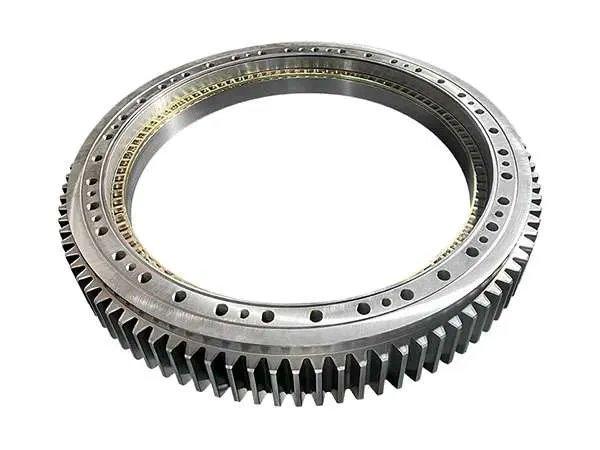
The integration of triple-row roller bearings into drilling rigs also contributes to energy efficiency. Bearings that handle high torque efficiently reduce the energy losses associated with friction and deformation. Improved energy efficiency not only reduces operational costs but also aligns with modern environmental standards by lowering fuel consumption and carbon emissions during drilling operations. This dual benefit of performance and sustainability makes triple-row roller bearings a strategic investment for forward-looking drilling companies.
Selecting the right bearing involves careful consideration of operational parameters such as torque requirements, load cycles, rotational speed, and environmental factors. Engineers often rely on advanced simulations and field testing to ensure that the bearing can perform reliably under all anticipated conditions. High-quality materials, precise manufacturing tolerances, and specialized lubrication strategies further enhance the performance and lifespan of triple-row roller bearings. By focusing on these factors, drilling operators can ensure that their rigs maintain peak performance while minimizing the risk of unexpected failures.
In conclusion, high torque demands in modern drilling rigs necessitate the use of triple-row roller bearings. Their ability to distribute complex loads, withstand harsh operational environments, and support heavy-duty components makes them essential for reliable and efficient drilling operations. As the energy industry continues to push the boundaries of exploration and production, investing in high-performance bearings is not just a technical requirement but a strategic decision that directly impacts operational efficiency, safety, and cost-effectiveness. Companies that integrate triple-row roller bearings into their rigs can confidently tackle high torque challenges, reduce downtime, and achieve optimal drilling performance.