- +86 13837949030 +86 15890619536
- info@lymcbearings.com
- Bearing Zone,Luoxin Industrial Cluster, Luoyang City,Henan Province,China

Time:2026-04-20 06:34:01 Source:LYMC Slewing Bearing
In modern industrial operations, the efficiency and safety of material handling equipment are critical to productivity and operational success. Among such equipment, the pillar jib crane plays a vital role in lifting, positioning, and transporting heavy loads within confined spaces such as workshops, warehouses, and production floors. However, the performance of a pillar jib crane heavily depends on one often overlooked component: the slewing bearing. Selecting the right slewing bearing is not only crucial for smooth lifting but also for ensuring durability, safety, and long-term operational efficiency.
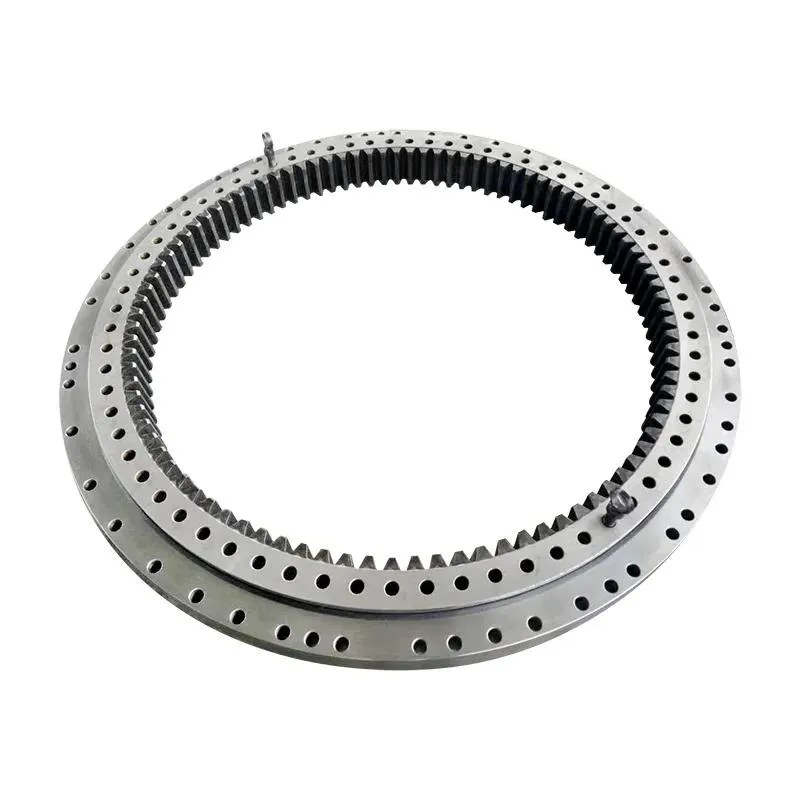
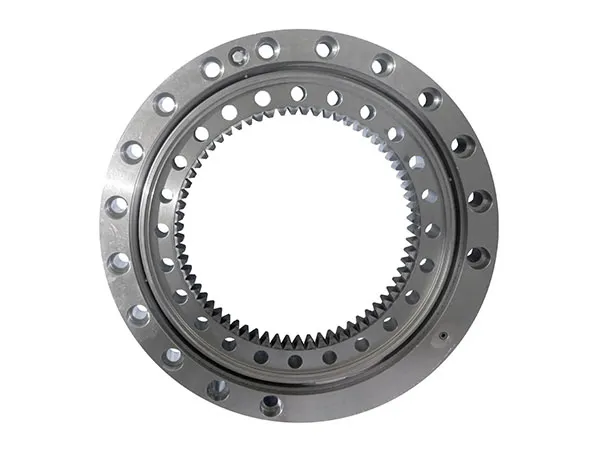
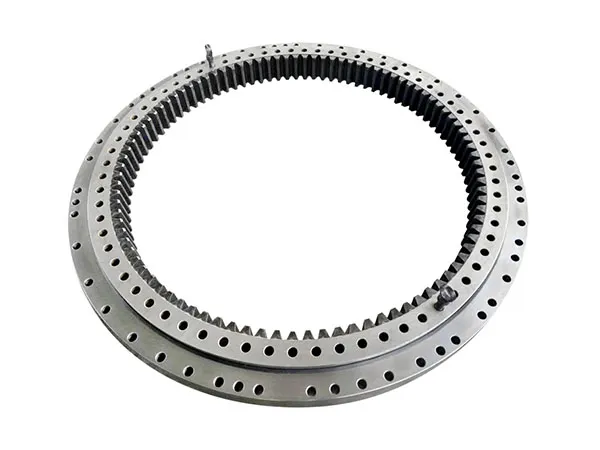
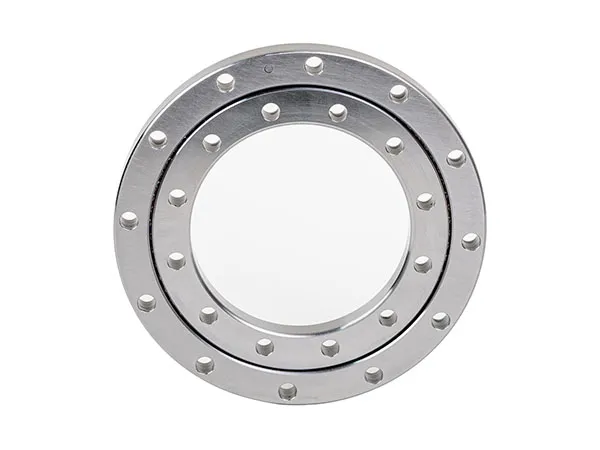
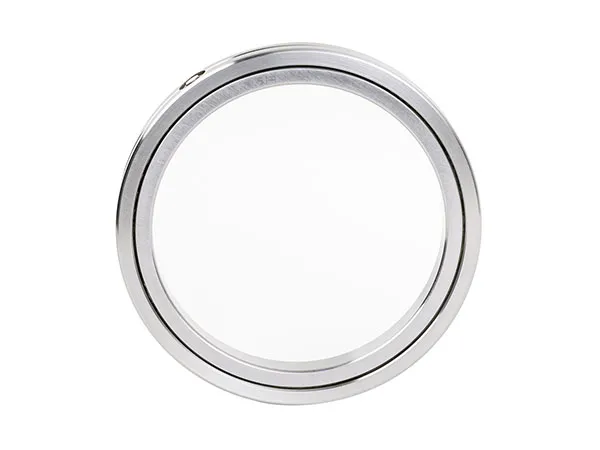
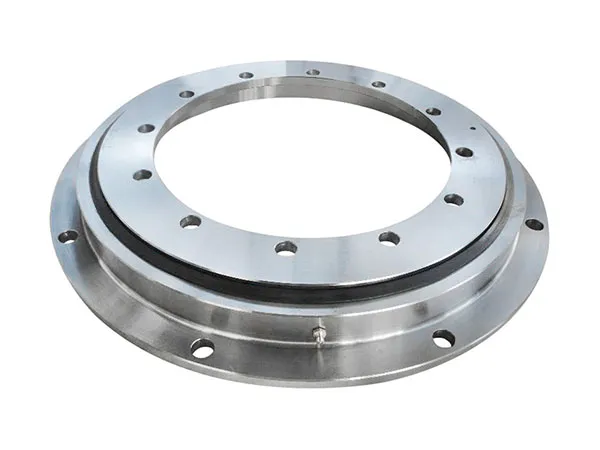
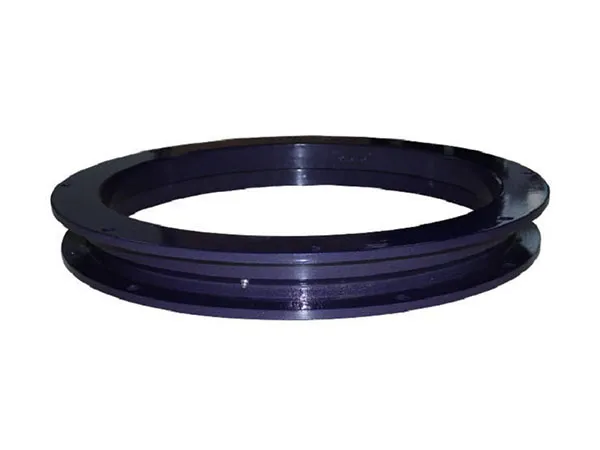
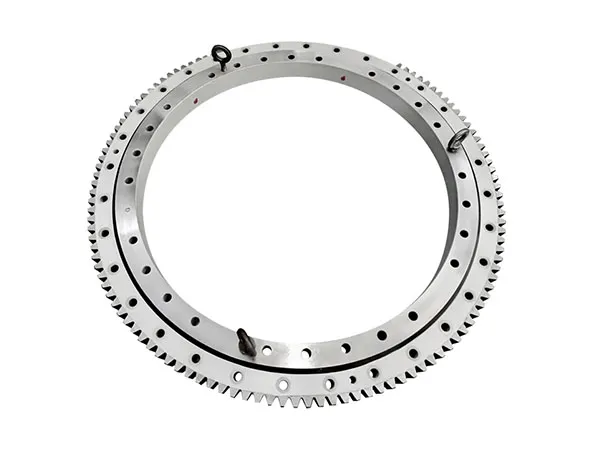
A slewing bearing, also known as a turntable bearing, is designed to support axial, radial, and moment loads simultaneously while allowing rotational movement. In the context of a pillar jib crane, the slewing bearing enables the crane’s arm to rotate smoothly around the fixed pillar, providing flexibility and precise positioning of loads. The bearing must withstand both the weight of the load and the operational stresses generated during rotation and lifting cycles.
Choosing an inappropriate slewing bearing can result in uneven load distribution, excessive wear, and even operational failure. Therefore, understanding the different types of slewing bearings and their specifications is essential for engineers and purchasing managers aiming to optimize crane performance.
When selecting a slewing bearing for a pillar jib crane, several critical factors should be carefully considered to ensure smooth lifting and reliable operation:
1. Load Capacity and Distribution
The first step in selecting the right slewing bearing is accurately calculating the crane’s maximum load, including the weight of the jib, hook, and the materials being lifted. Bearings are rated based on their axial, radial, and moment load capacities, and selecting a bearing that meets or slightly exceeds the calculated load is essential. Improper load handling can lead to premature wear or deformation of the bearing, increasing maintenance costs and downtime.
2. Bearing Type: Single vs. Double Row
Slewing bearings come in various designs, primarily single-row and double-row configurations. Single-row bearings are generally more compact and suitable for lighter loads, while double-row bearings provide greater stability and can handle higher loads and moments. For pillar jib cranes with frequent lifting of heavy materials or operation in industrial environments with high-duty cycles, double-row bearings are often the preferred choice for their enhanced load distribution and longevity.
3. Material Selection and Heat Treatment
The durability of a slewing bearing is closely tied to the quality of materials and manufacturing processes. Bearings made from high-grade alloy steel with proper heat treatment can resist wear, corrosion, and fatigue. For pillar jib cranes operating in harsh conditions, such as outdoor environments or chemical facilities, bearings with surface coatings or corrosion-resistant treatments can significantly extend service life.
4. Precision and Rotation Smoothness
Smooth rotational movement is crucial for both operator safety and efficiency. Bearings with tight tolerances, high-precision machining, and advanced lubrication systems reduce friction, minimize vibration, and ensure the jib arm moves smoothly even under heavy loads. This precision is particularly important for applications that require accurate placement of materials or repeated lifting cycles, as it reduces mechanical stress on the crane structure.
5. Maintenance and Lubrication Considerations
Proper maintenance and lubrication are critical for the longevity of slewing bearings. Bearings with integrated lubrication channels or easily accessible grease points simplify regular maintenance. Selecting a bearing that supports automated or simplified lubrication systems can reduce labor costs and ensure consistent performance over time.
6. Installation and Alignment
Correct installation is essential to maximize bearing performance. The bearing must be properly aligned with the crane pillar and securely fixed to prevent uneven loading. Even the highest-quality bearing can fail prematurely if installation errors occur. Consulting with experienced engineers or working with suppliers who provide installation support can mitigate risks and enhance operational reliability.
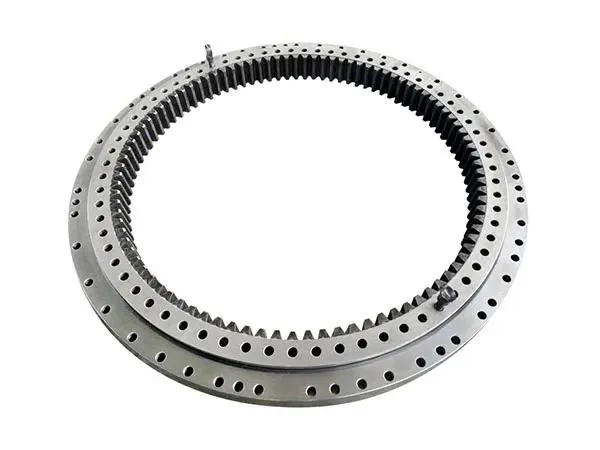
A carefully selected slewing bearing directly impacts the overall efficiency, safety, and longevity of a pillar jib crane. By ensuring smooth rotation, reducing mechanical stress, and distributing loads evenly, the bearing minimizes wear on other crane components such as gears, motors, and structural elements. This translates into reduced maintenance costs, less downtime, and safer working conditions for operators.
Moreover, the right bearing can improve energy efficiency. Smooth operation reduces the power required by the crane motor, which not only lowers energy consumption but also extends the motor’s service life. For high-frequency lifting operations in logistics hubs, manufacturing plants, or heavy industries, these benefits accumulate, providing measurable operational advantages.
Selecting the perfect slewing bearing for your pillar jib crane is a decision that extends beyond mere component replacement. It involves a comprehensive understanding of load requirements, bearing design, material quality, precision, maintenance needs, and installation practices. Prioritizing these factors ensures smooth lifting, enhanced safety, and long-term cost efficiency, ultimately supporting the operational excellence of your facility.
Industrial operators and engineers must approach this decision strategically, collaborating with reputable suppliers and leveraging technical expertise to match the bearing specifications with the crane’s operational demands. By doing so, companies can maximize the performance of their pillar jib cranes, safeguard their workforce, and achieve a reliable, efficient lifting solution for years to come.
Investing time and resources in selecting the right slewing bearing today will prevent costly downtime tomorrow, making it an essential step in the lifecycle management of any pillar jib crane. For industrial facilities aiming to optimize material handling, understanding and implementing this critical component is key to achieving smooth, precise, and reliable lifting operations.