- +86 13837949030 +86 15890619536
- info@lymcbearings.com
- Bearing Zone,Luoxin Industrial Cluster, Luoyang City,Henan Province,China

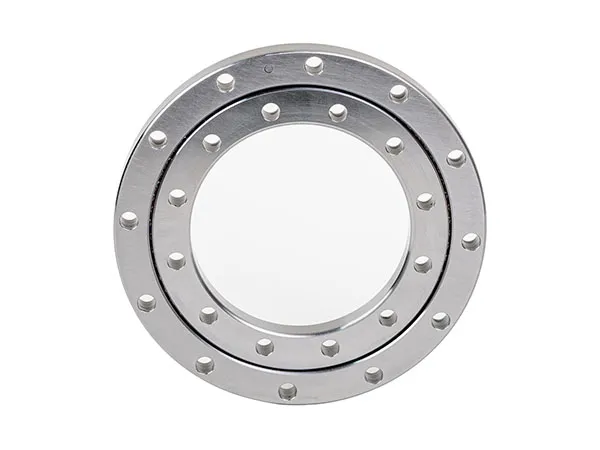
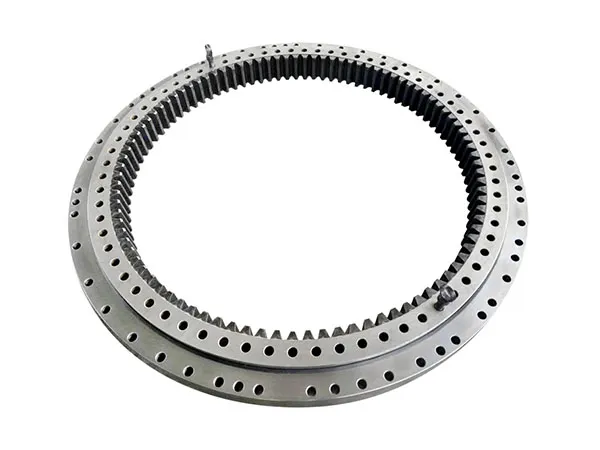
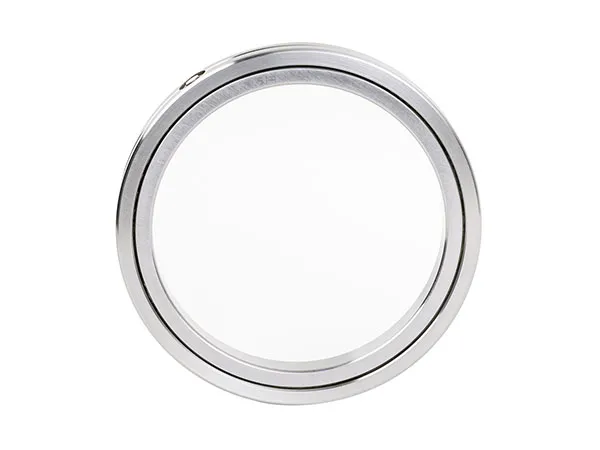
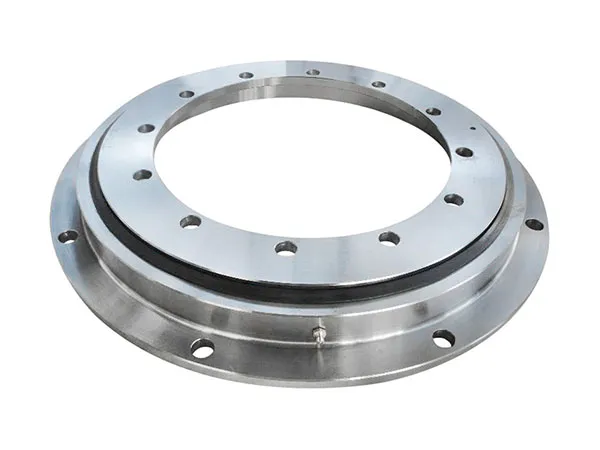
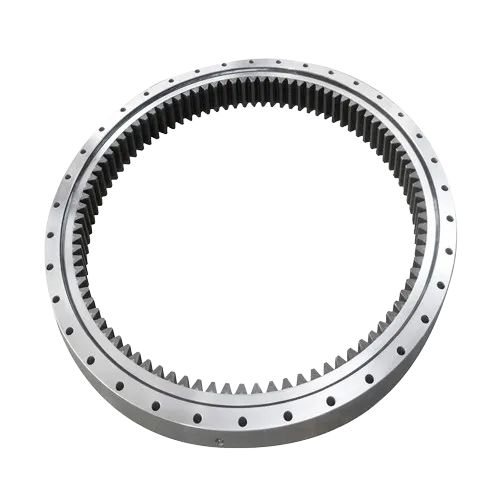
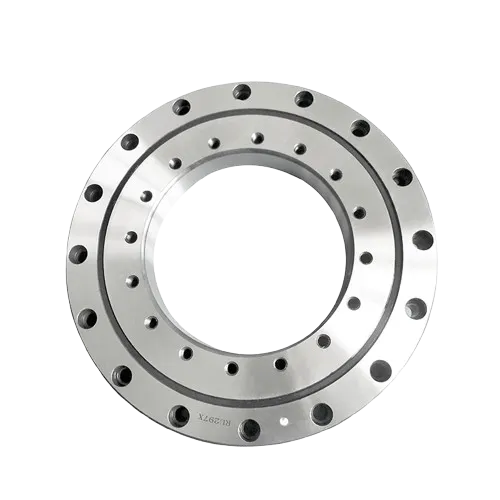
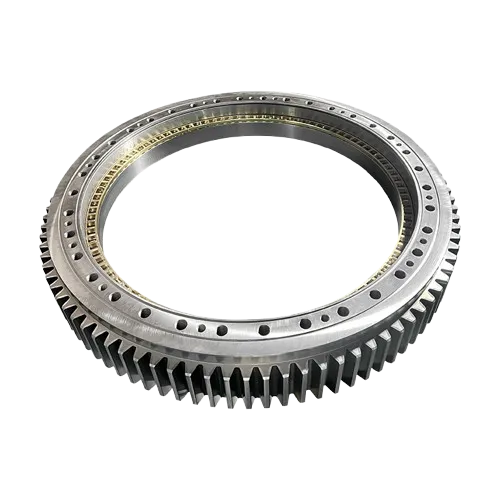
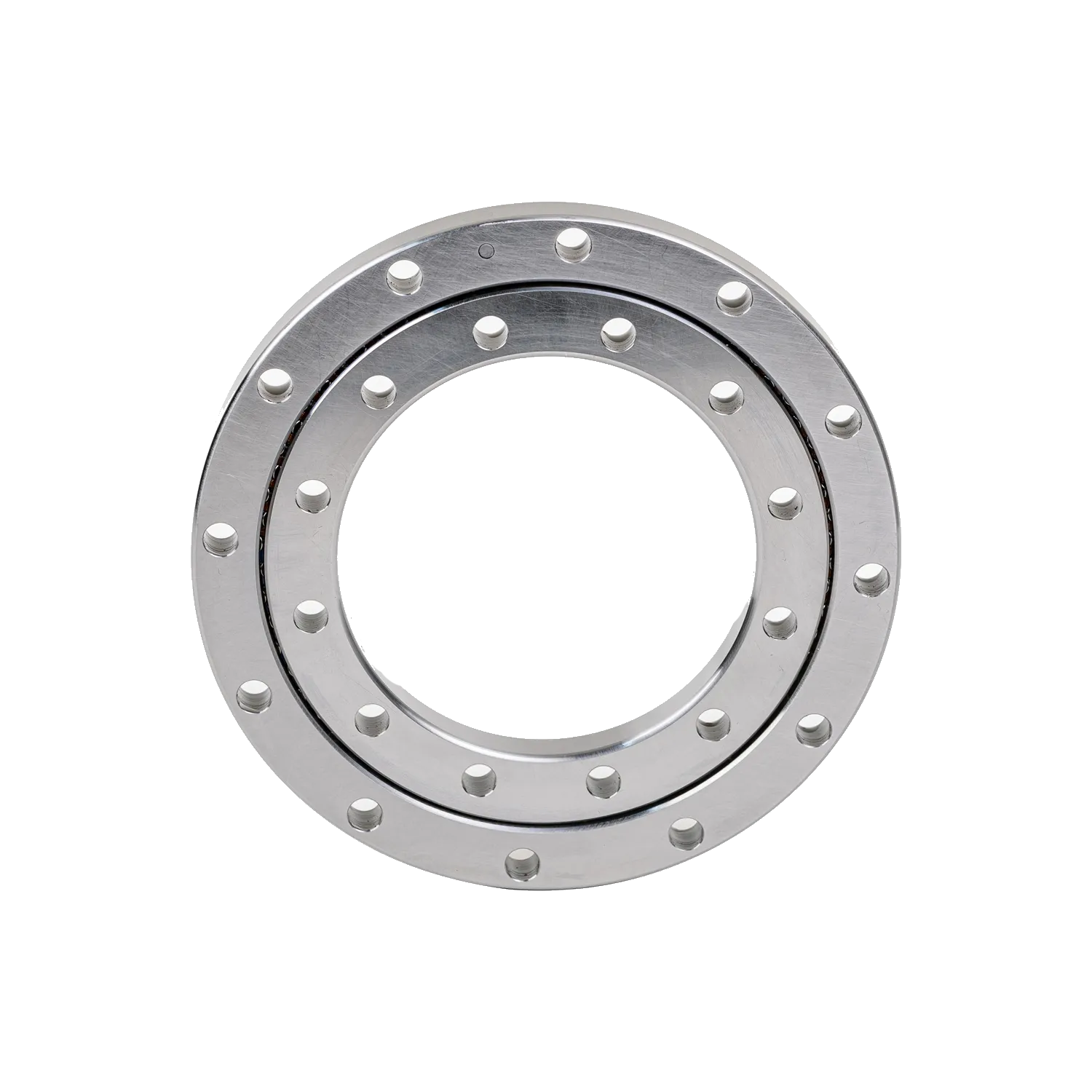
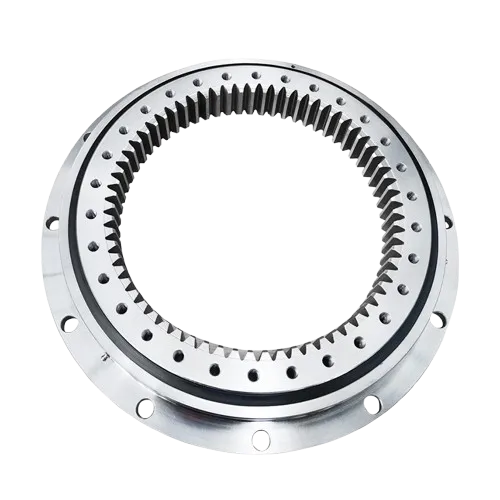
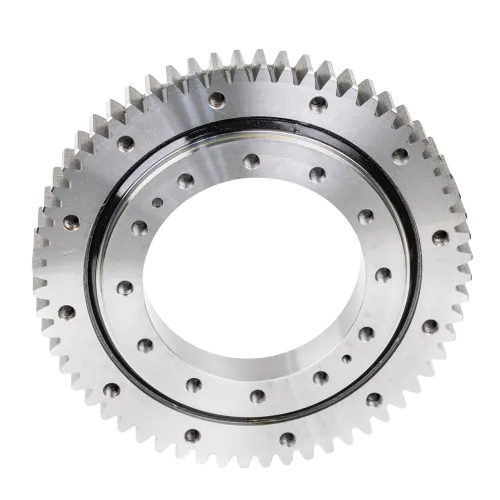
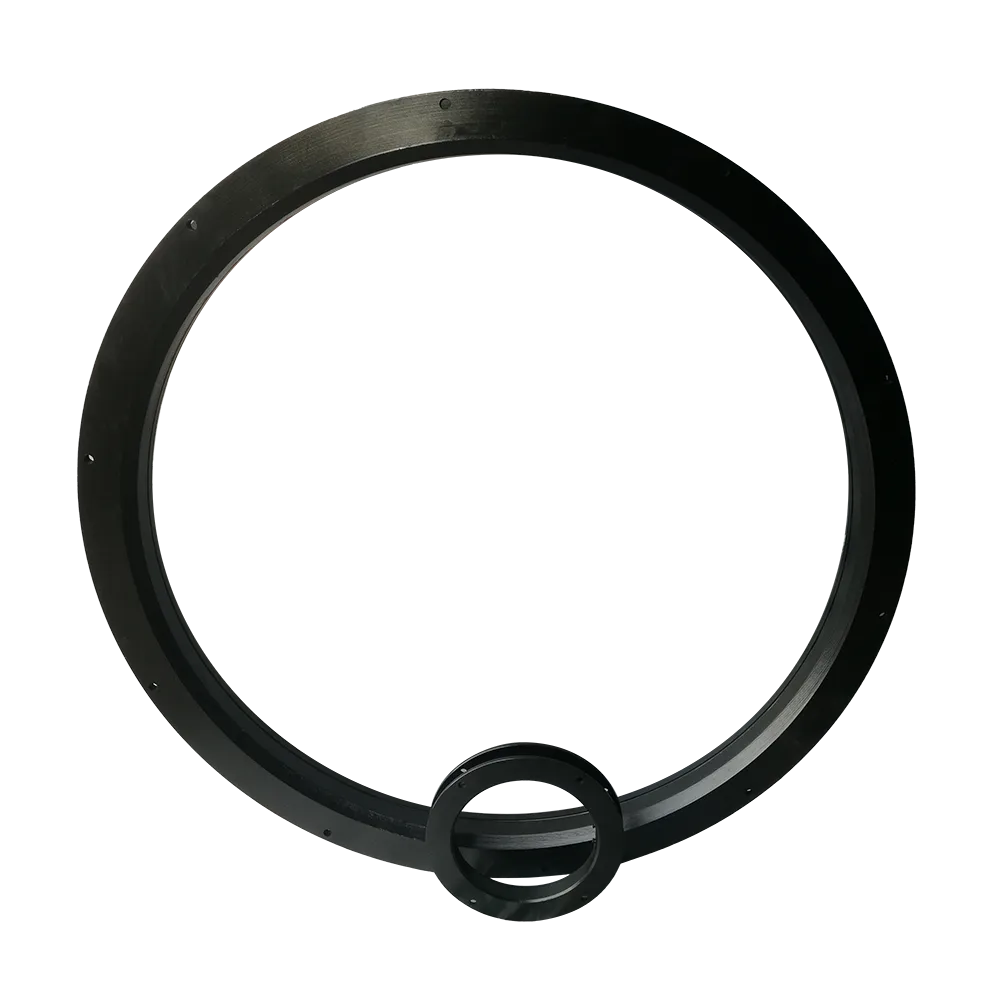
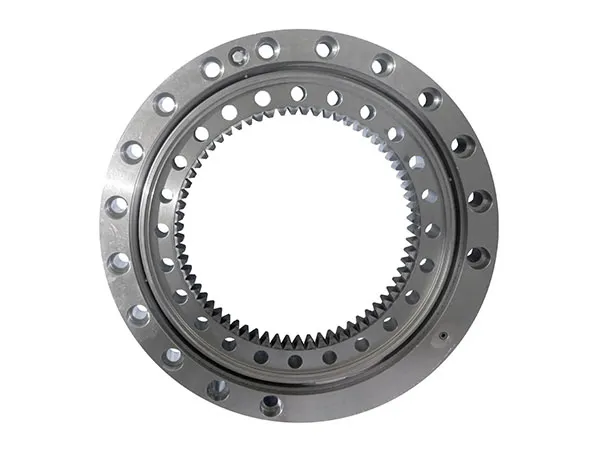
These are the main components that provide the structural integrity and the primary load-bearing capacity of the bearing. The rings have mounting holes for easy installation and can be either toothed or smooth.
Balls or rollers placed between the rings to reduce friction and facilitate smooth rotation. The rolling elements are contained within a cage or spacer system to maintain even spacing and prevent contact.
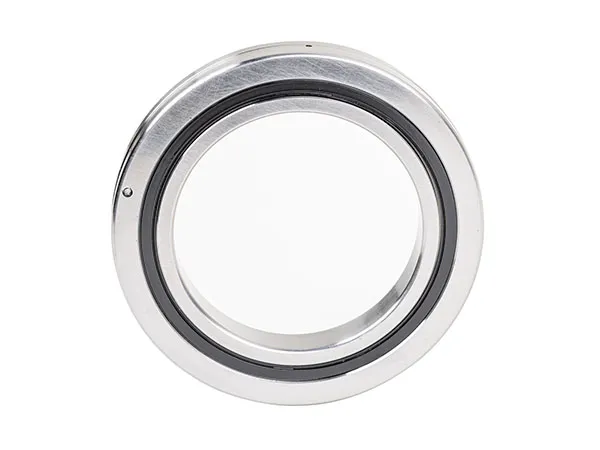
To protect the bearing from contaminants like dirt, dust, and moisture, seals are used on both sides of the bearing.
Lubricants (grease or oil) are crucial for reducing friction and wear between the rolling elements and raceways. Some slewing bearings come pre-lubricated, while others require periodic lubrication maintenance.
Static Load Capacity: The maximum load a bearing can withstand without permanent deformation.
Dynamic Load Capacity: The maximum load a bearing can endure while rotating or oscillating.
Bearings should exhibit minimal deflection under load to ensure accurate positioning and smooth operation.
Bearings must be able to operate at the required speeds for the application without excessive heat generation or wear.
High precision and tight tolerances are essential for applications requiring accurate positioning and smooth rotation.
Proper lubrication reduces friction, wear, and overheating, extending the bearing's lifespan. Both grease and oil lubrication are common, depending on the application.
Effective seals protect the bearing from contaminants such as dust, dirt, and moisture, which can lead to premature failure.
The material and heat treatment process of the bearing components (rings and rolling elements) determine their hardness, wear resistance, and fatigue life.
Correct mounting and installation are crucial to bearing performance. Misalignment, improper torqueing of bolts, and uneven load distribution can all negatively impact performance.
Regular maintenance, including inspection and relubrication, is necessary to detect and address issues before they lead to failure. Condition monitoring systems can provide early warnings of potential problems.
Operating conditions such as temperature, humidity, and exposure to corrosive elements can affect bearing performance. Bearings designed for specific environments (e.g., marine, high-temperature) should be used accordingly.
Quality Service For Industry Projects And Automative Service
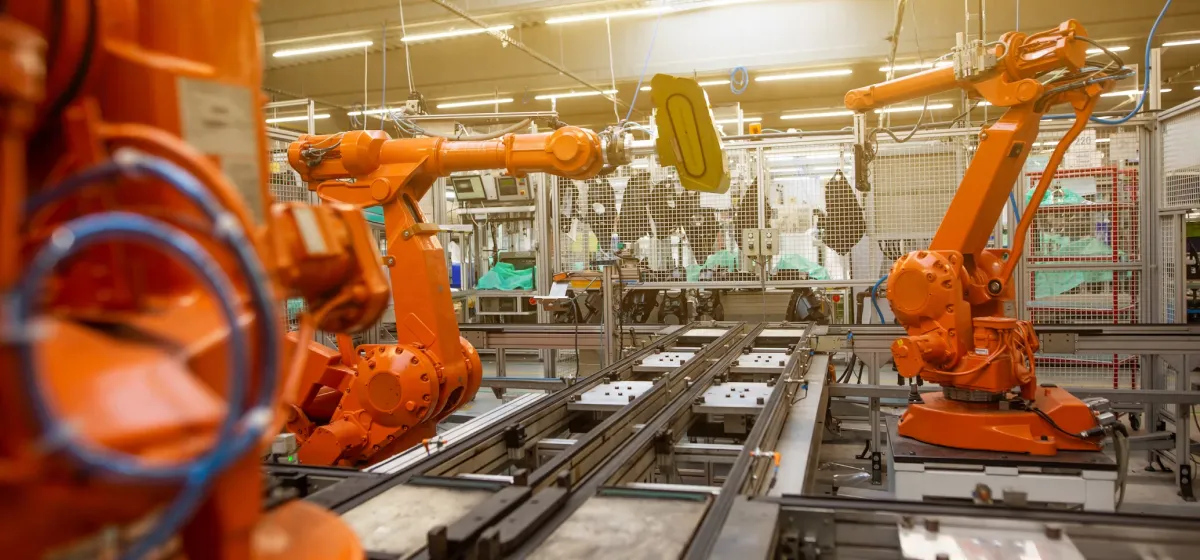
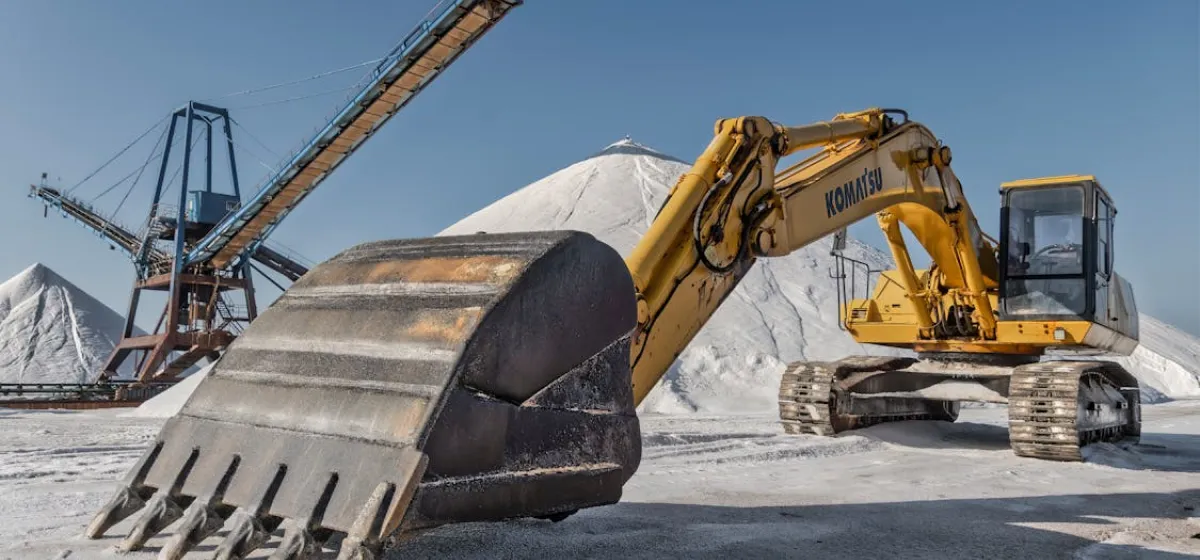
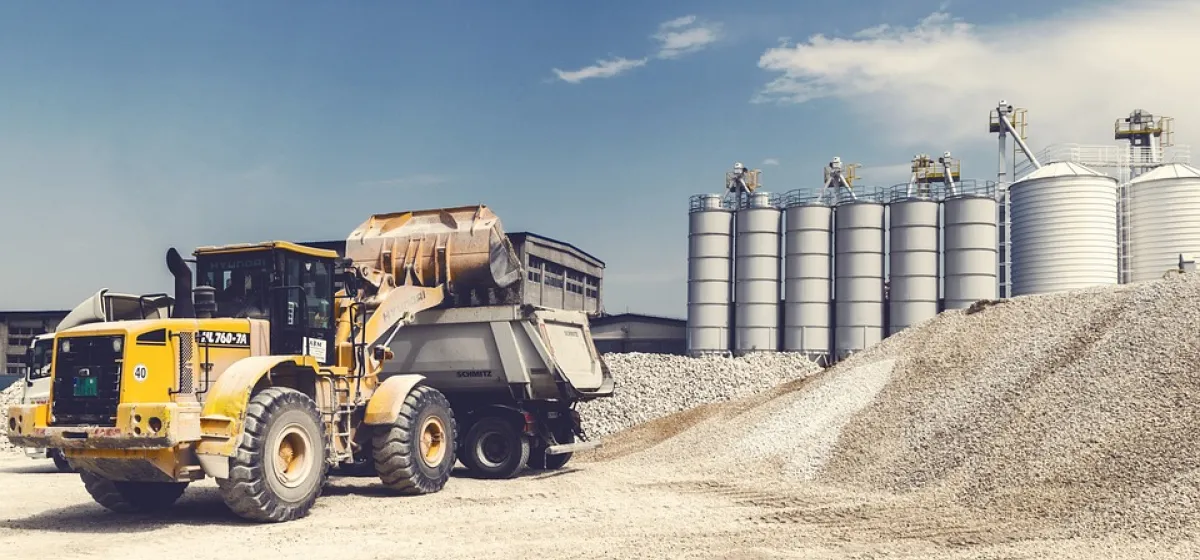
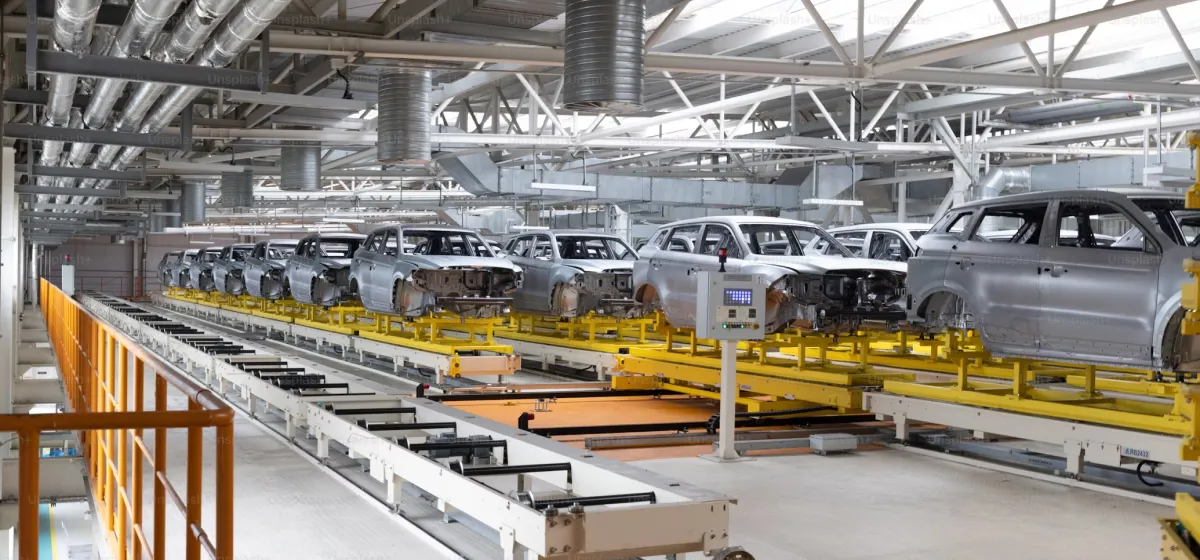
Consult Us NowA slewing bearing is a large rotational rolling-element bearing designed to support axial loads, radial loads, and overturning moments simultaneously. Manufacturers commonly use slewing bearings in cranes, excavators, wind turbines, rotary tables, construction machinery, and industrial automation equipment.
Unlike standard bearings, slewing bearings can handle heavy-duty rotational movement under low-speed and high-load operating conditions.
The most common slewing bearing types include:
Four-point contact ball slewing bearings
Crossed roller slewing bearings
Double-row ball slewing bearings
Three-row roller slewing bearings
Each type offers different load capacities, rotational accuracy, and structural advantages depending on the application requirements.
Users should evaluate several key factors before selecting a slewing bearing:
Axial load capacity
Radial load capacity
Tilting moment requirements
Rotational speed
Mounting space
Gear configuration
Operating environment
Sealing performance
Engineers usually calculate bearing loads carefully to ensure long-term operational reliability and safety.
Most slewing bearings use high-strength alloy steel or bearing steel. Manufacturers may also apply heat treatment processes to improve hardness, wear resistance, and fatigue life.
For corrosive environments, stainless steel slewing bearings or special surface coatings may provide additional protection.
Backlash refers to the small clearance between rolling elements and raceways or between gear teeth. Controlled backlash allows smooth rotation and thermal expansion compensation.
However, excessive backlash may indicate wear or improper installation.
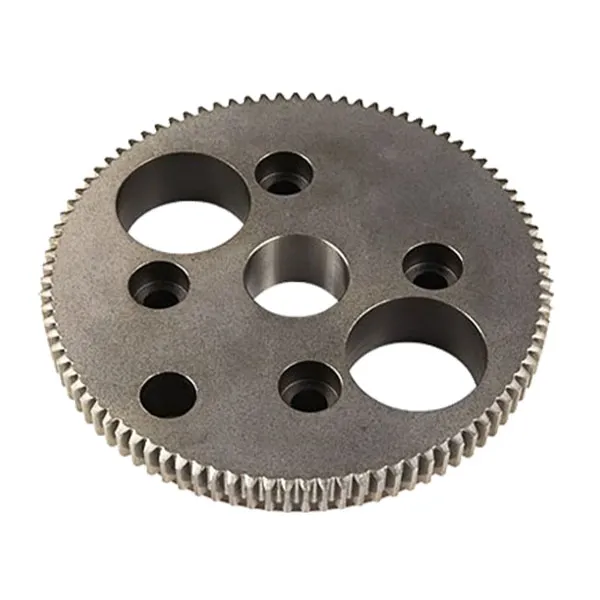
Yes. Geared slewing bearings include internal or external gear teeth for power transmission, while gearless slewing bearings only support rotational movement.
Applications that require driven rotation usually select geared configurations.
Yes. Many manufacturers provide customized slewing bearing solutions based on:
Special dimensions
Gear designs
Mounting hole patterns
Sealing structures
Material requirements
Corrosion resistance
Precision grades
Custom slewing bearings help optimize equipment performance in specialized industrial applications.
Ball slewing bearings generally provide:
Lower friction
Higher rotational flexibility
Better high-speed capability
Roller slewing bearings usually offer:
Higher load capacity
Greater rigidity
Better shock resistance
The final selection depends on the equipment design and working conditions.
Common causes of slewing bearing failure include:
Insufficient lubrication
Excessive load
Improper installation
Misalignment
Contamination from dust or water
Bolt loosening
Poor gear meshing
Early inspection and preventive maintenance help reduce unexpected downtime.
Typical signs of wear include:
Increased vibration
Abnormal operating noise
Uneven rotation
Excessive backlash
Grease leakage
Surface pitting on raceways
Tooth damage on geared bearings
Regular inspections allow operators to detect issues before major damage occurs.