- +86 13837949030 +86 15890619536
- info@lymcbearings.com
- Bearing Zone,Luoxin Industrial Cluster, Luoyang City,Henan Province,China

Time:2026-02-24 02:47:01 Source:LYMC Slewing Bearing
In the modern heavy machinery manufacturing sector, equipment efficiency, reliability, and long-term operating costs serve as key indicators for measuring corporate competitiveness. Whether in port cranes, construction tower cranes, or mining excavators, the performance of core components directly impacts the operational capability of the entire mechanical system. Among these, the slewing bearing, as a critical component supporting rotating structures and actuators, often determines the stability and production efficiency of the equipment through its quality and performance.
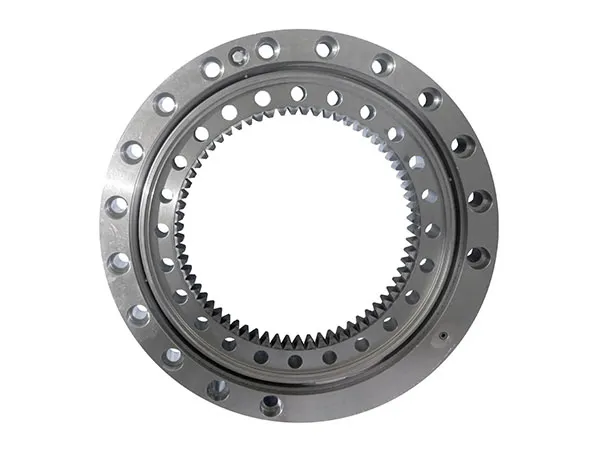
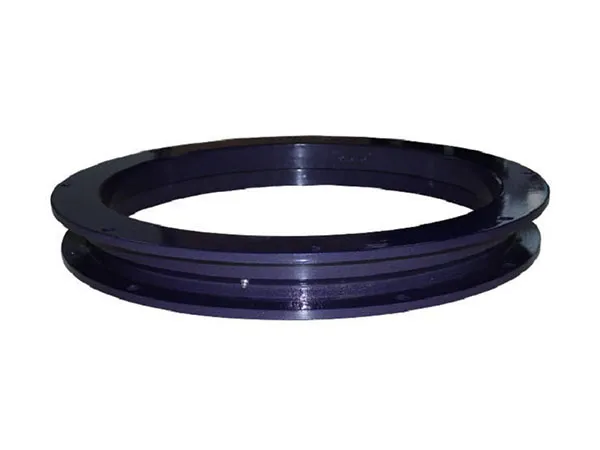
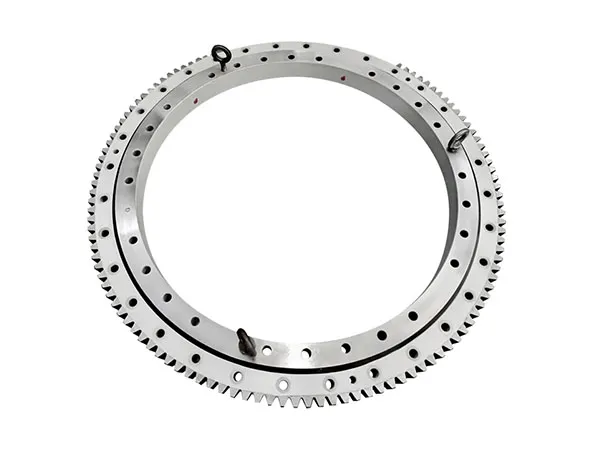
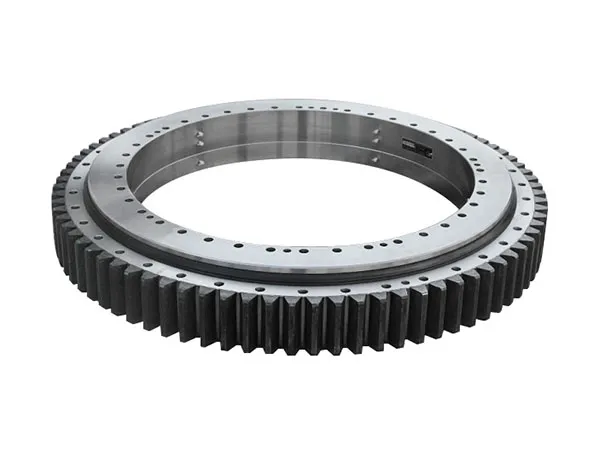
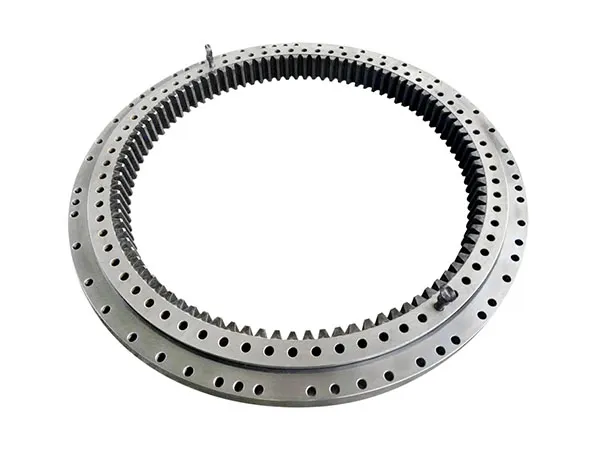
Slewing bearings not only bear axial and radial forces from rotating components but also withstand overturning moments. In heavy machinery, this component directly impacts the smoothness of equipment rotation and operational safety. For example:
Port Cranes: Slewing bearings support the boom and cargo weight while underpinning the entire rotating platform. Insufficient bearing precision leads to sluggish rotation, increased friction, and reduced loading/unloading efficiency.
Wind Turbine Tower Cranes: High-precision slewing bearings ensure smooth lifting, lowering, and rotation of the tower crane, reducing wind load impacts on the machinery and extending equipment lifespan.
Mining Excavators: Under continuous high-load operations, slewing bearings must provide stable load-bearing capacity to prevent shutdowns caused by wear or uneven loading.
High-performance slewing bearings not only enhance rotational efficiency but also reduce mechanical vibration and failure rates, ensuring prolonged, high-efficiency equipment operation.
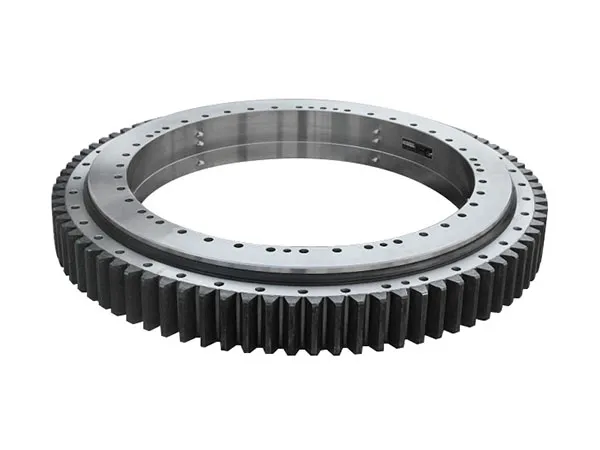
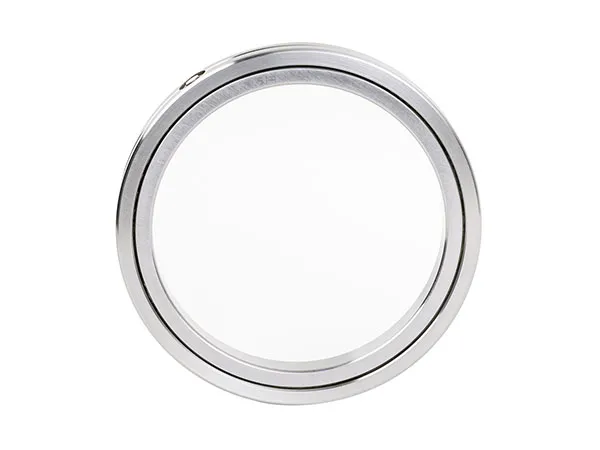
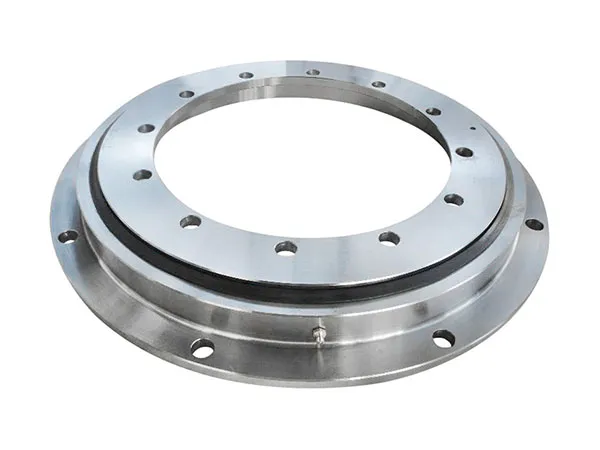
High-precision machined slewing bearings ensure stable platform rotation, minimize eccentric loads and friction, and improve operational smoothness. For instance, double-row cylindrical roller slewing bearings suit heavy radial loads, while four-point contact ball bearings handle significant axial forces.
Slewing bearings crafted from high-strength alloy steel with precision heat treatment exhibit markedly improved wear resistance and load capacity, enduring prolonged heavy-duty operations in machinery. Some manufacturers further extend bearing life through surface nitriding or quenching treatments.
The lubrication and sealing design of slewing bearings directly impacts equipment reliability. Optimized lubrication pathways, long-life grease, and high-performance dust seals prevent ingress of dust and sand particles, reducing wear and downtime frequency.
For diverse mechanical operating conditions, customized slewing bearings optimize roller arrangement, bearing thickness, and dimensions. For instance, construction tower cranes requiring support for rotational and tilting moments may utilize triple-row roller slewing bearings, while large cranes often prefer double-row cylindrical roller bearings to handle heavier loads.
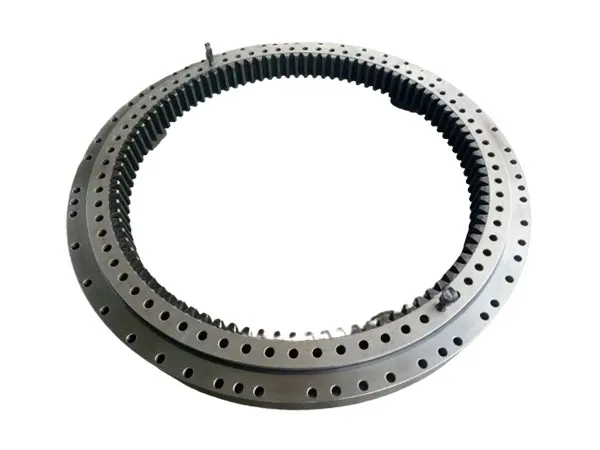
Smooth rotation minimizes operational delays, boosting crane and tower crane speeds by 10%-20% and significantly increasing work output per unit time.
Wear-resistant, high-performance bearings minimize failures and replacement frequency, cutting downtime and repair expenses. This can save 15%-25% of total equipment operating costs.
Premium slewing bearings maintain stability during rotation, reducing vibration and off-center load risks to safeguard equipment and operators.
Slewing bearing stability directly prolongs overall machinery service life, boosting corporate return on investment. For example, regular maintenance and high-quality bearings can extend the service life of large port cranes by 3-5 years.
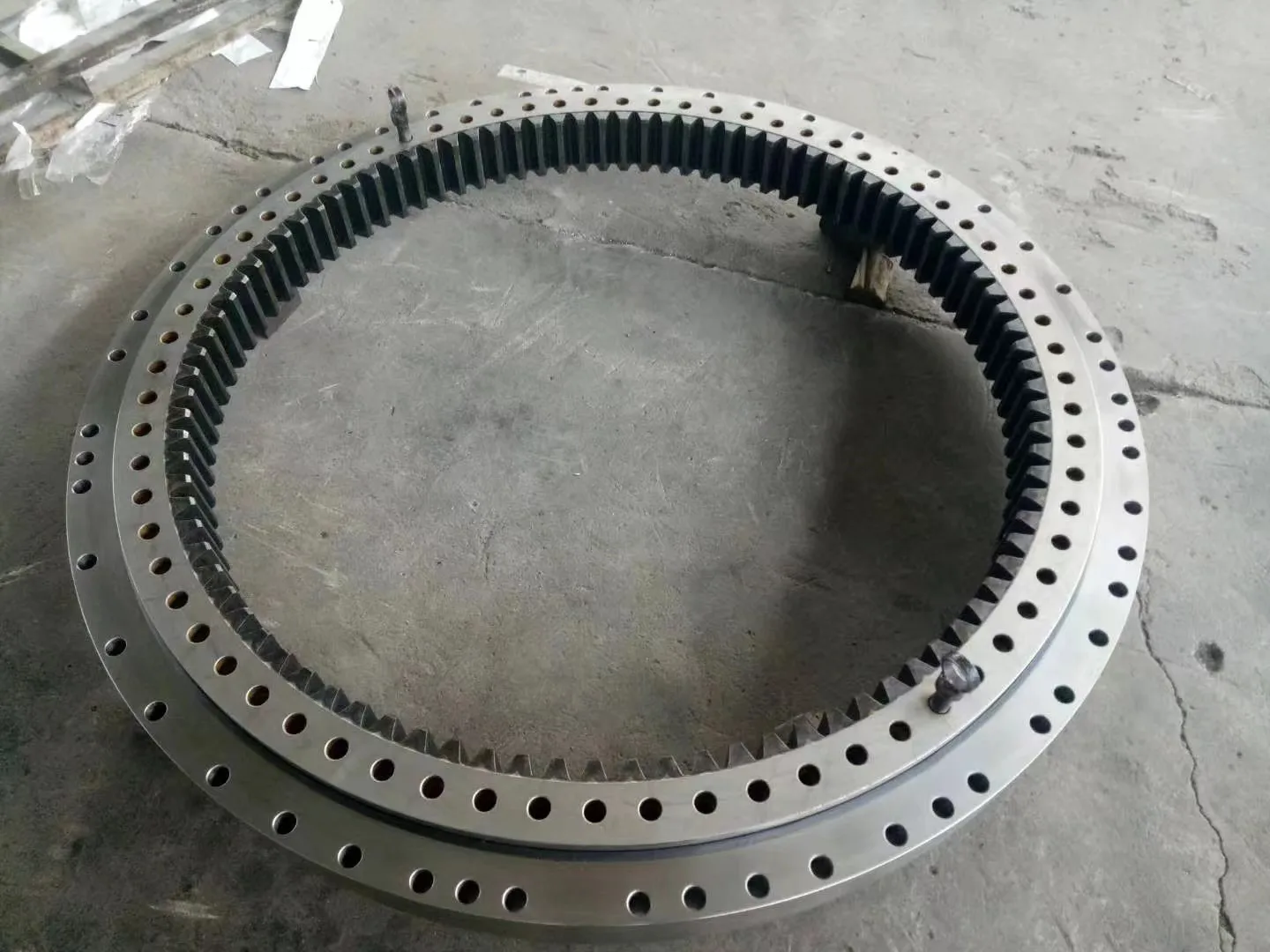
An international port operator upgraded to high-performance double-row cylindrical roller slewing bearings, achieving approximately 15% higher lifting efficiency per shift. Simultaneously, bearing lifespan increased from 3 to 6 years, with maintenance downtime reduced by nearly 50%. This improvement not only boosted terminal operational efficiency but also significantly reduced maintenance and operational costs.
In heavy machinery manufacturing, high-performance slewing bearings are core components for enhancing equipment efficiency, ensuring safety, and lowering long-term operational costs. By selecting high-precision, wear-resistant, and customized slewing bearings, enterprises can not only improve operational efficiency but also extend equipment lifespan, reduce maintenance costs, and gain a competitive edge in the market.
Investing in high-quality slewing bearings effectively safeguards the overall performance and production efficiency of machinery over the long term. Partnering with reliable suppliers and implementing professional maintenance strategies will deliver sustainable productivity gains and economic returns for enterprises.