- +86 13837949030 +86 15890619536
- info@lymcbearings.com
- Bearing Zone,Luoxin Industrial Cluster, Luoyang City,Henan Province,China

Time:2026-04-08 02:35:52 Source:LYMC Slewing Bearing
In the rapidly evolving field of robotics, precision and reliability are critical factors that directly influence the performance of automated systems. Among the various mechanical components that determine a robot’s operational accuracy, the choice of bearing plays a pivotal role. Specifically, crossed roller bearings have emerged as a preferred solution for high-precision applications due to their unique structural advantages and load-handling capabilities. Selecting the right cross roller bearing can dramatically enhance a robot’s positioning accuracy, longevity, and overall performance.
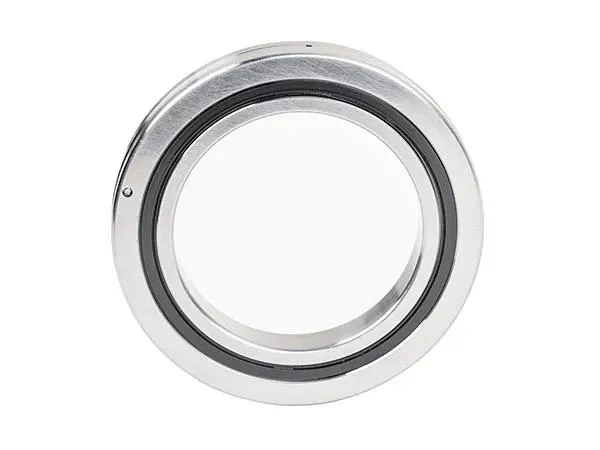
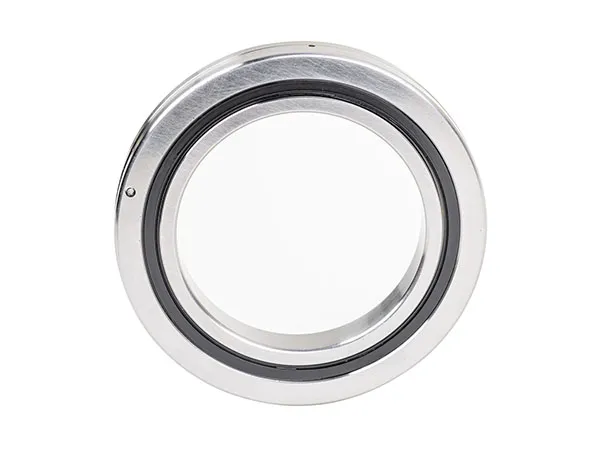
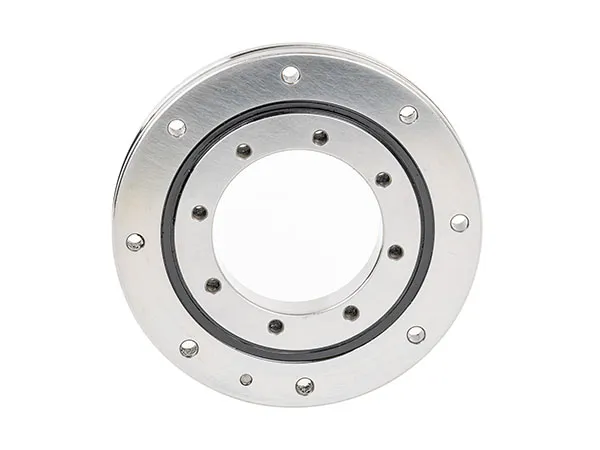
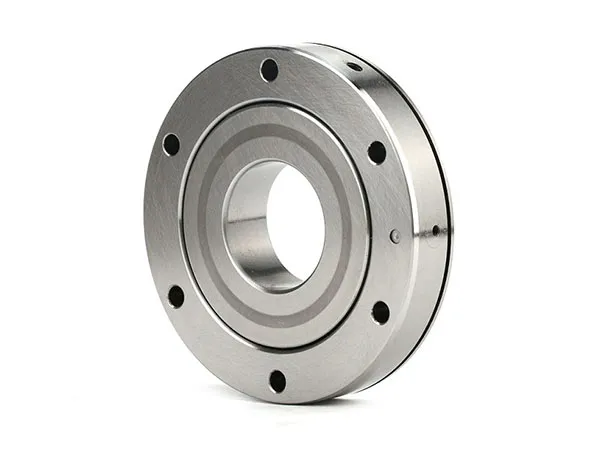
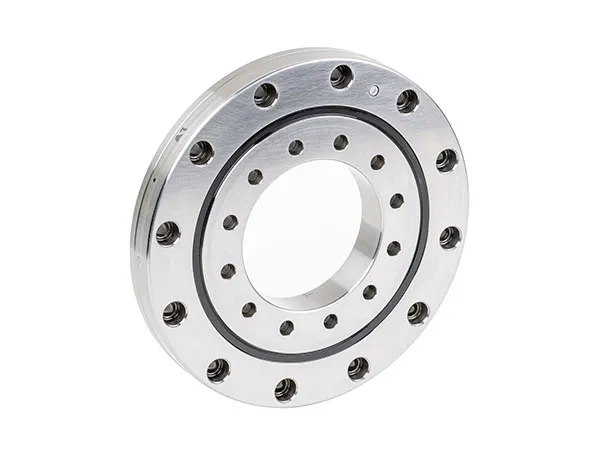
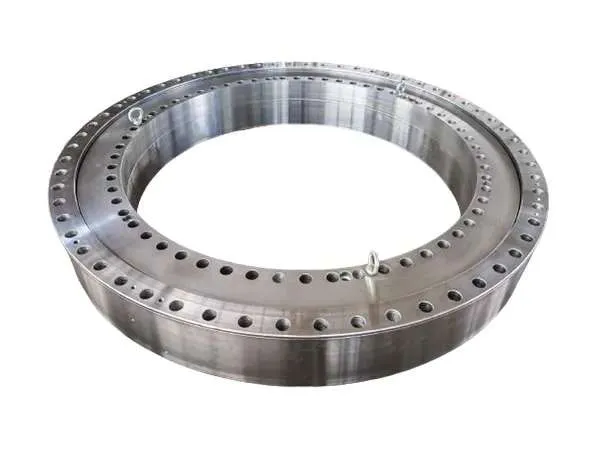
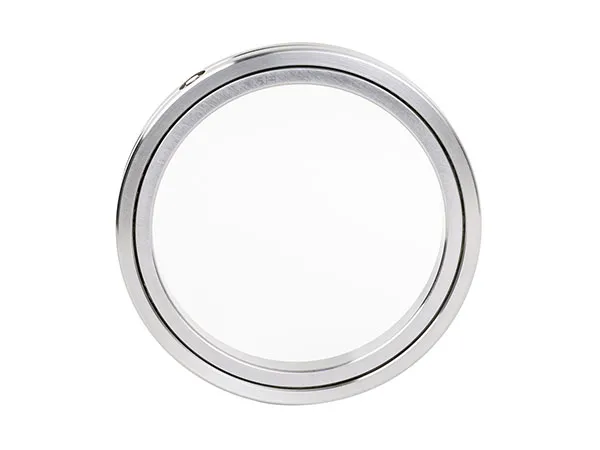
A cross roller bearing consists of cylindrical rollers arranged orthogonally in a crisscross pattern between inner and outer rings. This design allows the bearing to accommodate loads from multiple directions, including radial, axial, and moment loads, within a compact footprint. Unlike conventional ball bearings, cross roller bearings provide higher rigidity and rotational accuracy, which makes them indispensable in robotics, precision machinery, and optical equipment.
The inherent advantages of cross roller bearings include:
High stiffness and rigidity, reducing deflection under heavy loads.
Uniform load distribution, which minimizes wear and improves lifespan.
Smooth rotation, crucial for precise movement and positioning.
Compact design, allowing integration into space-constrained robotic joints.
Understanding these features is the first step toward selecting a bearing that aligns with the performance requirements of your robotic application.
When determining which crossed roller bearing is suitable for your robot, multiple parameters must be evaluated. These include load capacity, accuracy grade, preload, lubrication, and environmental considerations. Each factor directly affects the robot’s positioning precision and operational reliability.
1. Load Requirements
Robotic joints often experience complex loading conditions, including a combination of radial, axial, and moment loads. Selecting a cross roller bearing with adequate load capacity ensures that the bearing can support operational stresses without excessive deflection. Engineers should calculate the maximum expected loads and choose a bearing with a safety margin to accommodate transient forces or impacts.
2. Accuracy Grade
Crossed roller bearings are available in different accuracy grades, typically defined according to ISO or JIS standards. The accuracy grade dictates the permissible runout and dimensional tolerances. For high-precision robots, such as those used in semiconductor manufacturing or surgical applications, selecting a bearing with a high-precision grade (e.g., P4 or P2) is essential to achieve minimal positioning errors.
3. Preload Selection
Preloading is the process of applying a controlled internal load to a bearing to eliminate internal clearance. Proper preload enhances rigidity and reduces backlash, which is vital for maintaining accurate positioning. However, excessive preload can increase friction and heat generation, potentially shortening bearing life. Engineers must balance preload levels to optimize both precision and durability.
4. Lubrication and Maintenance
Lubrication significantly affects the performance and lifespan of cross roller bearings. Depending on the operating speed and environmental conditions, bearings may require grease or oil lubrication. For robots operating in cleanroom or high-temperature environments, selecting a bearing with appropriate sealing and lubrication methods ensures smooth operation and prevents contamination.
5. Environmental Considerations
Robotic systems often function in diverse environments, including dusty, humid, or chemically aggressive settings. Bearings exposed to such conditions must be corrosion-resistant and sealed to prevent debris ingress. Stainless steel or coated cross roller bearings are commonly used to maintain performance in challenging environments.
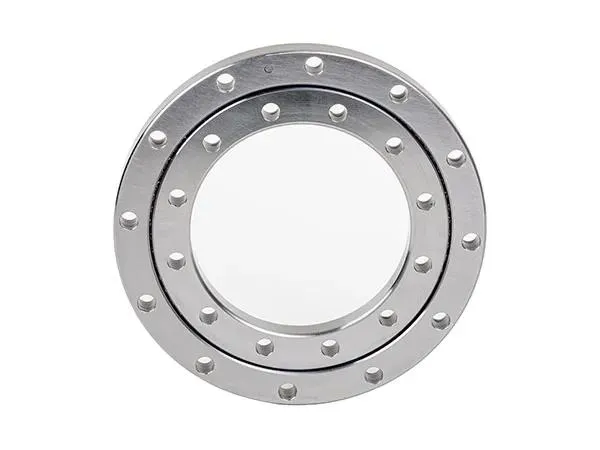
Different robotic applications may demand tailored bearing solutions. For example:
Industrial robots for assembly lines: Require bearings with moderate preload and high load capacity to handle repetitive motion and varying payloads.
Precision robotic arms in semiconductor manufacturing: Require ultra-precise bearings with high accuracy grades and low backlash to ensure micron-level positioning.
Medical robots: Require compact, corrosion-resistant bearings with reliable lubrication systems to guarantee both hygiene and precision.
By analyzing the robot’s operational requirements, engineers can select a bearing that balances accuracy, durability, and cost-effectiveness.
Proper installation of cross roller bearings is as important as selecting the right type. Misalignment, uneven preload, or improper mounting can compromise accuracy and reduce bearing life. Key installation considerations include:
Ensuring concentric alignment of inner and outer rings.
Applying uniform preload without introducing torsion.
Using precision tools and jigs to minimize assembly errors.
Routine inspection and maintenance also play a critical role in sustaining positioning accuracy over the robot’s operational lifespan.
The selection of the right cross roller bearing is a strategic decision that directly impacts a robot’s positioning accuracy, operational efficiency, and reliability. By thoroughly evaluating load requirements, accuracy grade, preload, lubrication, and environmental factors, engineers can optimize bearing performance to meet the exacting demands of modern robotics. Investing time in selecting and installing the appropriate cross roller bearing is not merely a technical choice—it is a commitment to precision, quality, and long-term operational success.
For manufacturers and robotics engineers aiming to enhance their systems, understanding how to select the right cross roller bearing to improve your robot's positioning accuracy is an essential step toward achieving superior performance and reliability.