- +86 13837949030 +86 15890619536
- info@lymcbearings.com export@lymcbearings.com
- Bearing Zone,Luoxin Industrial Cluster, Luoyang City,Henan Province,China

Time:2026-03-24 06:41:00 Source:LYMC Slewing Bearing
In modern heavy transportation and industrial logistics, the reliability of key mechanical components directly determines operational safety and efficiency. Among these components, slewing rings used in heavy-duty trailers play a decisive role in enabling controlled rotation under high loads. Whether in modular transport, construction equipment hauling, or specialized industrial trailers, accurate load capacity calculation is not just a design step—it is the foundation of long-term performance and risk control.
Many equipment failures in real-world applications can be traced back to improper bearing selection or inaccurate load estimation. For manufacturers, engineers, and procurement teams, understanding how to optimize slewing ring load calculations can significantly reduce downtime, extend service life, and improve overall return on investment.
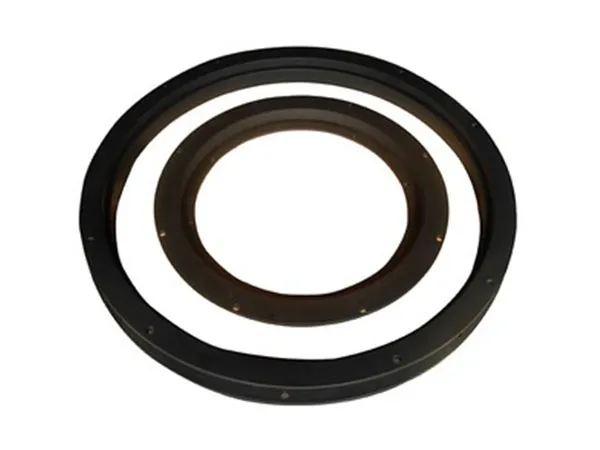
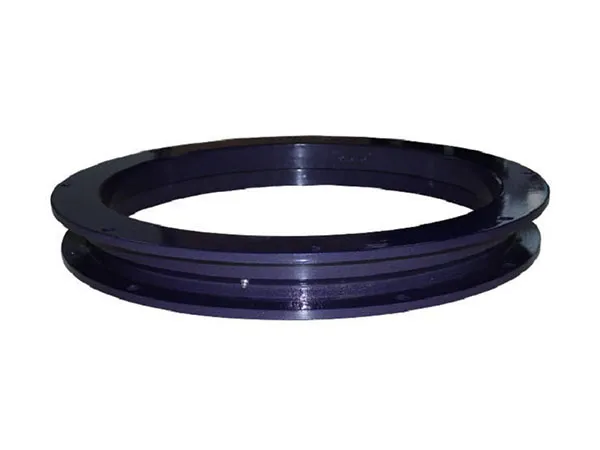
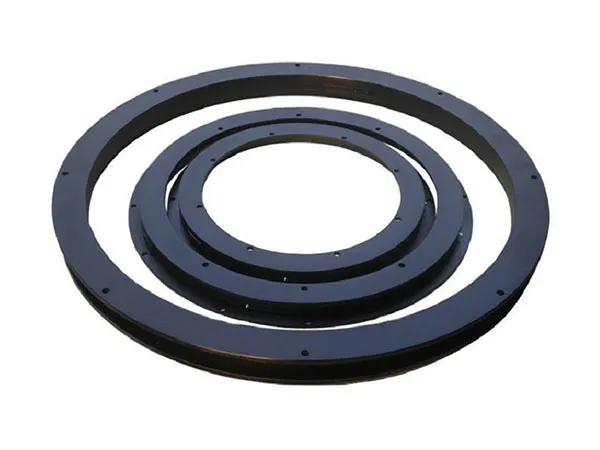
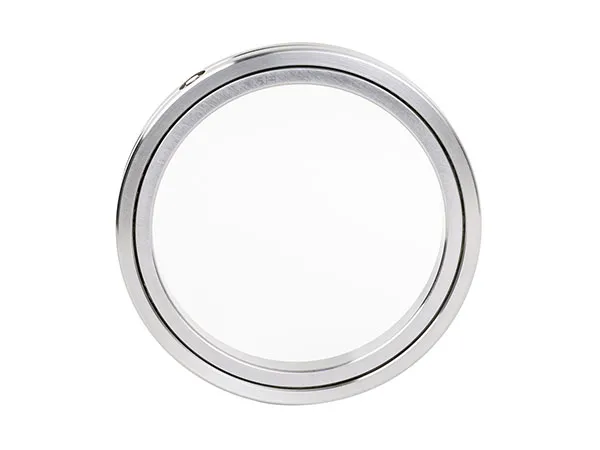
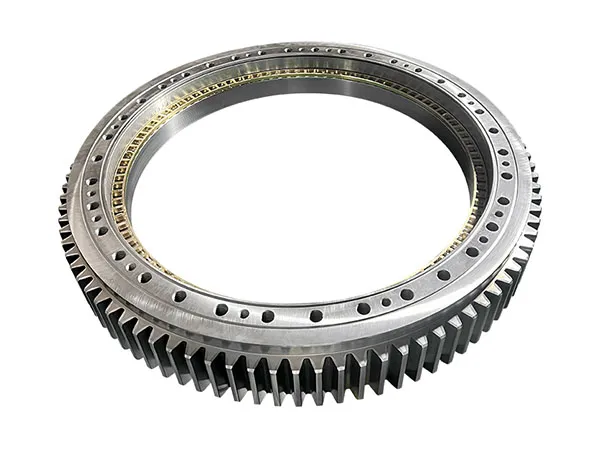
A slewing ring, often referred to as a turntable bearing, is a large-diameter rotational bearing designed to support combined loads, including axial forces, radial forces, and tilting moments. Unlike conventional bearings, slewing rings are engineered to handle multi-directional loads simultaneously while maintaining smooth rotational performance.
In heavy-duty trailer systems, slewing rings are commonly installed between the chassis and the load platform, enabling controlled articulation and steering. This is especially critical in:
Low-bed trailers transporting oversized equipment
Modular trailers used in wind turbine or bridge transport
Self-propelled transporters in heavy industry
When these systems operate under uneven terrain, sudden braking, or off-center loads, the slewing ring becomes the primary component absorbing and redistributing stress. This makes precise load calculation essential to prevent structural fatigue, deformation, or sudden failure.
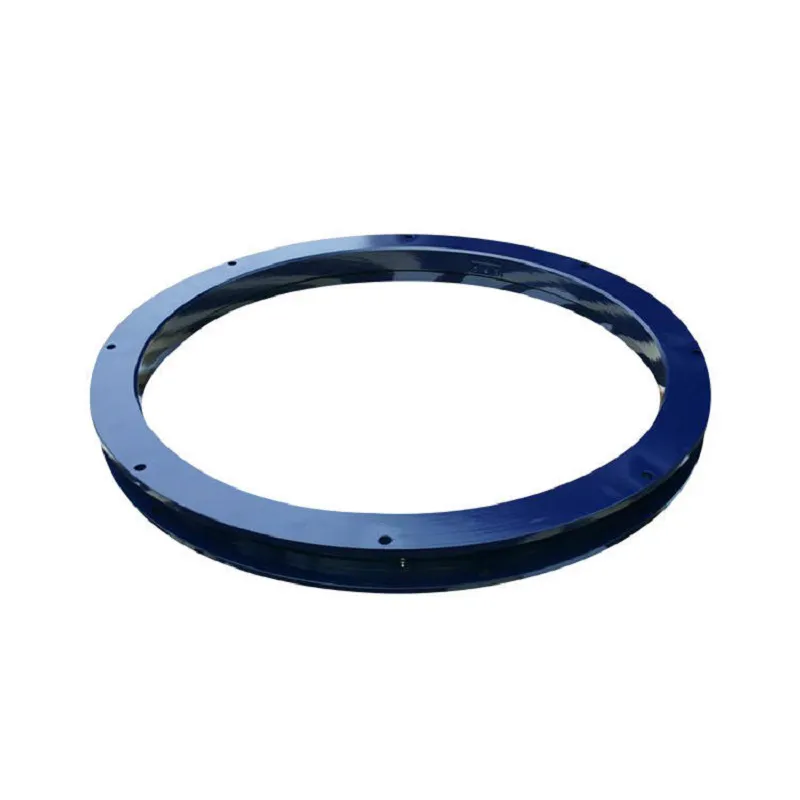
Accurate load capacity calculation directly impacts three key areas:
1. Operational Safety
An undersized slewing ring may fail under peak loads, leading to instability or even catastrophic accidents during transport.
2. Equipment Lifespan
Incorrect load estimation accelerates fatigue damage in rolling elements and raceways, significantly reducing service life.
3. Cost Efficiency
Oversized bearings increase procurement costs, add unnecessary weight, and may negatively affect fuel efficiency and payload capacity.
A well-balanced design ensures that the slewing ring operates within optimal stress limits while maintaining economic feasibility.
Axial Load (Fa)
Axial load represents the vertical force acting perpendicular to the slewing ring plane, primarily generated by the weight of the cargo and trailer structure. In heavy-duty applications, this load can fluctuate due to uneven weight distribution or dynamic movement.
Excessive axial load leads to increased contact stress on rolling elements, which may result in surface fatigue or permanent deformation.
Radial Load (Fr)
Radial load acts parallel to the rotation plane and is typically generated during cornering, lateral movement, or uneven road conditions. Although often smaller than axial load, radial forces play a crucial role in maintaining stability.
Ignoring radial load can lead to uneven wear patterns, increased vibration, and reduced rotational accuracy.
Tilting Moment (M)
Tilting moment is one of the most critical parameters in slewing ring design. It occurs when the load center deviates from the rotational axis, creating torque that attempts to tilt the bearing.
In real-world trailer operations, asymmetric cargo loading is common, making moment load a dominant factor in failure analysis. High tilting moments can cause uneven stress distribution between the inner and outer rings, accelerating fatigue damage.
Different slewing ring designs offer varying load capacities:
Single-row four-point contact bearings: Suitable for moderate loads and compact designs
Double-row ball bearings: Improved load distribution and higher axial capacity
Crossed roller bearings: Excellent rigidity and high moment resistance
Selecting the correct structure is essential for matching application requirements.
The mechanical properties of the slewing ring depend heavily on material selection and manufacturing processes. High-quality alloy steel combined with controlled heat treatment enhances hardness, wear resistance, and fatigue strength.
Surface hardening techniques, such as induction hardening, further improve load capacity and durability.
Environmental factors can significantly influence actual load capacity:
Temperature variations affect material expansion and lubrication performance
Moisture and corrosion reduce surface integrity
Shock loads from rough terrain introduce additional stress
Protective measures, including sealing systems and anti-corrosion coatings, are essential for maintaining performance in harsh conditions.
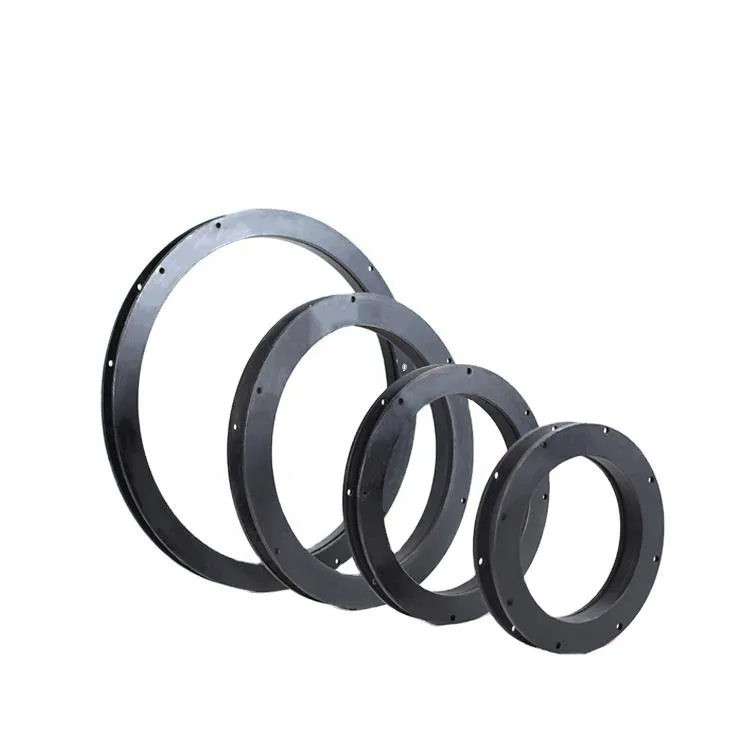
To ensure accurate and reliable results, engineers typically follow a structured calculation process.
Step 1: Define All Applied Loads
Start by identifying maximum expected loads under real operating conditions. This includes:
Static load from cargo weight
Dynamic load from acceleration and braking
Impact load from road irregularities
A conservative approach is recommended to account for worst-case scenarios.
Step 2: Calculate Equivalent Dynamic Load
The combined effect of axial, radial, and moment loads is expressed through the equivalent dynamic load:
P=X⋅Fr+Y⋅Fa+Z⋅M
Where:
P = equivalent dynamic load
Fr= radial load
Fa= axial load
M = tilting moment
X,Y,Z = load factors determined by bearing design
These coefficients vary depending on contact angle, bearing type, and manufacturer specifications.
Step 3: Verify Load Ratings
Compare the calculated load with:
Dynamic load rating (C): Determines fatigue life
Static load rating (C₀): Prevents permanent deformation
The selected slewing ring must meet both criteria under expected operating conditions.
Step 4: Apply Safety Factors
To account for uncertainties such as misalignment or unexpected overloads, safety factors are applied:
Typical range: 1.1 to 2.0
Higher values recommended for harsh or unpredictable environments
This step ensures long-term operational reliability.
Step 5: Optimize Through Iteration
Load calculation is rarely a one-time process. Engineers often refine the design by:
Adjusting bearing size or diameter
Selecting alternative rolling element types
Improving lubrication strategies
This iterative approach helps achieve the best balance between performance, durability, and cost.
Practical Engineering Tips for Real-World Applications
Optimize Load Distribution
Proper trailer design should ensure even load distribution across the slewing ring. Uneven loading significantly increases local stress and reduces service life.
Routine maintenance is essential for sustaining performance:
Regular lubrication reduces friction and wear
Bolt torque inspection prevents loosening
Visual checks identify early signs of damage
A well-maintained slewing ring can last significantly longer than its nominal design life.
For outdoor or corrosive environments, consider:
Sealed bearing designs
Anti-corrosion coatings
High-performance grease with water resistance
These measures reduce maintenance frequency and improve reliability.
Collaborate with Experienced Manufacturers
Working with a specialized slewing ring supplier provides access to:
Advanced calculation tools
Custom design solutions
Material optimization recommendations
This collaboration is particularly valuable for complex or high-load applications.
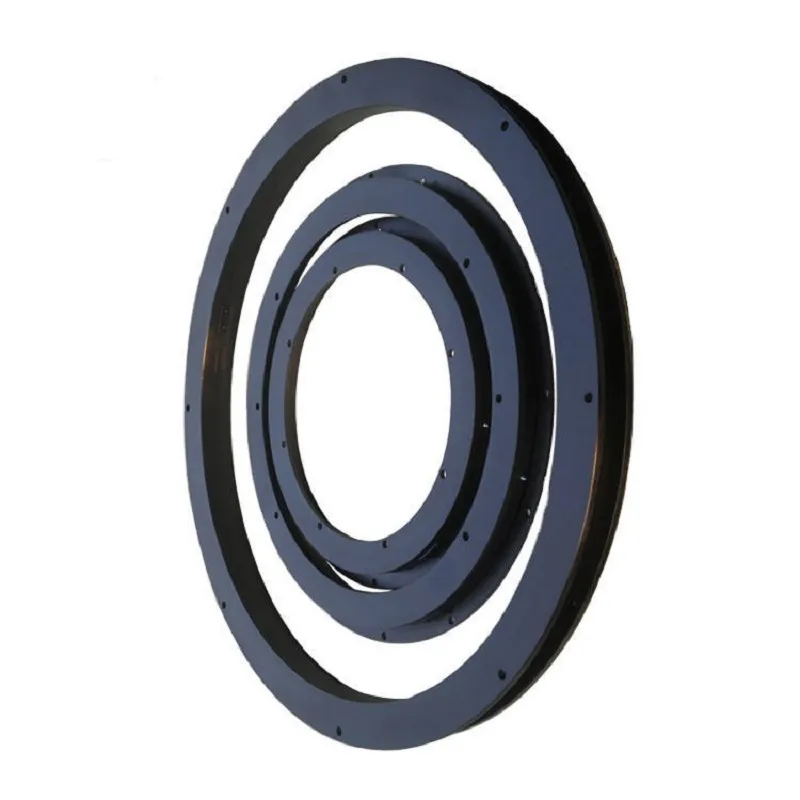
Load capacity calculation for heavy-duty trailer slewing rings is not merely a theoretical exercise—it is a critical engineering discipline that directly affects safety, efficiency, and lifecycle cost.
By carefully analyzing axial, radial, and moment loads, selecting appropriate bearing configurations, and considering real-world operating conditions, manufacturers can significantly improve equipment reliability and performance. At the same time, integrating safety factors and maintenance strategies ensures that the system remains stable under demanding conditions.
For companies aiming to strengthen their competitive advantage in heavy transport equipment, investing in accurate slewing ring calculation and selection is a strategic decision. Every reliable trailer system begins with a well-engineered core component, and in many cases, that component is the slewing ring.
1. What is the most critical load factor in trailer slewing rings?
In most applications, the tilting moment is the most critical factor due to uneven load distribution.
2. How can I improve slewing ring lifespan?
Proper load calculation, regular lubrication, and correct installation significantly extend service life.
3. Is oversizing always safer?
Not necessarily. Oversizing increases cost and weight, and may reduce system efficiency.
4. Can standard bearings be used for heavy-duty trailers?
Standard bearings are usually insufficient. Heavy-duty applications require specially designed slewing rings.