- +86 13837949030 +86 15890619536
- info@lymcbearings.com
- Bearing Zone,Luoxin Industrial Cluster, Luoyang City,Henan Province,China

Time:2026-11-09 03:01:02 Source:LYMC Slewing Bearing
Backlash in a crossed roller bearing assembly is more than a minor nuisance. It directly affects positioning accuracy, rotational stiffness, and vibration behavior in precision equipment such as robotic arms, rotary tables, and medical imaging systems. When axial or radial clearance exceeds acceptable limits, even a well-designed machine loses repeatability. Reducing backlash requires a systematic approach that combines proper preload, tight tolerance control, and disciplined assembly practices. This article explains the root causes of backlash and provides practical methods to minimize it in crossed roller bearing assemblies, helping engineers and procurement teams specify and maintain high-precision solutions.
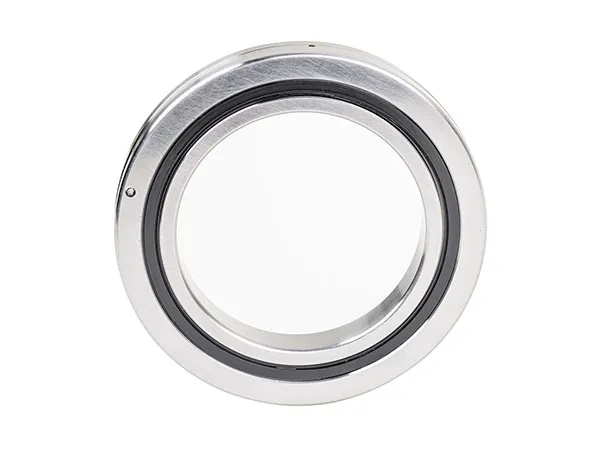
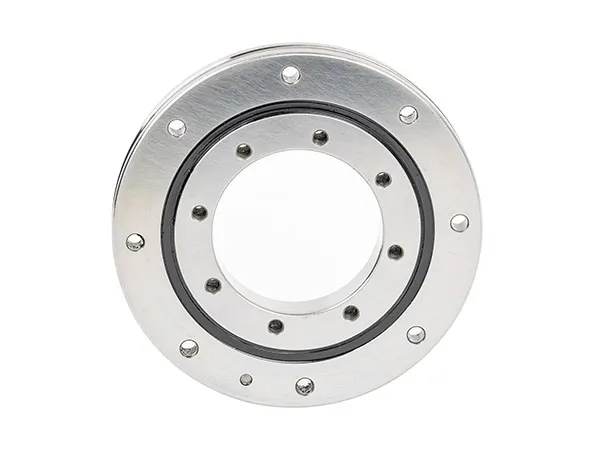
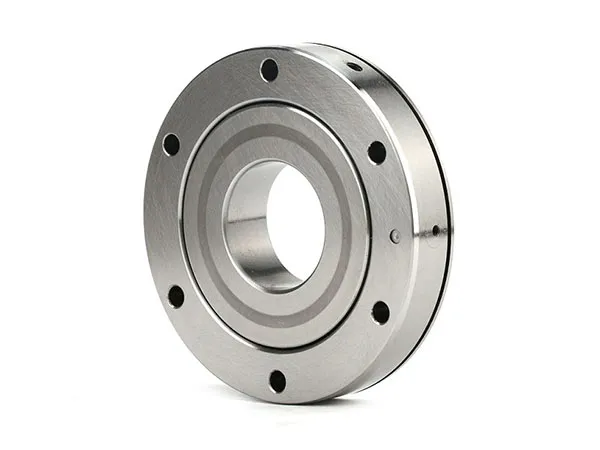
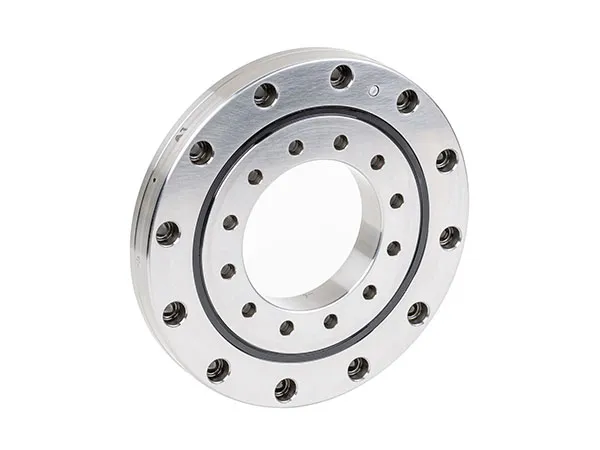
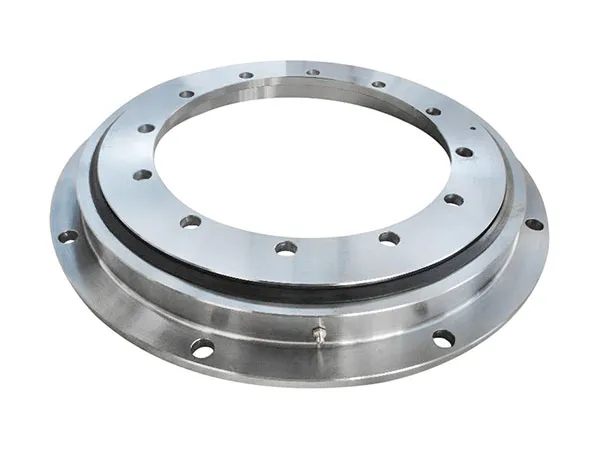
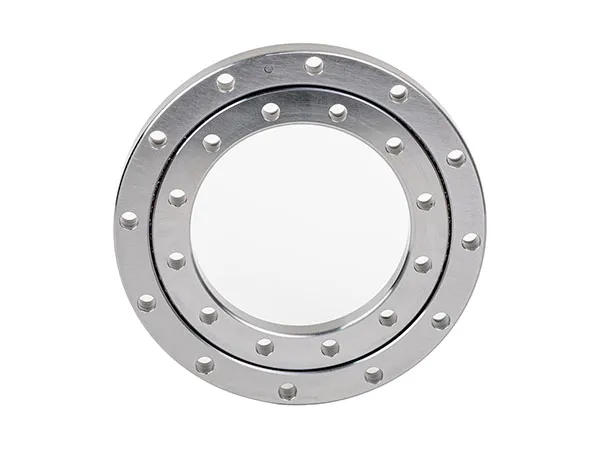
Backlash, also called clearance or axial play, is the maximum displacement a bearing raceway can move relative to the other under zero external load. In crossed roller bearings, cylindrical rollers are arranged at 90 degrees to each other, which allows a single bearing to handle radial, axial, and moment loads simultaneously. This design is efficient but also sensitive to internal clearance.
Several factors contribute to backlash:
Identifying which factor dominates requires measurement, not guesswork. A clearance measurement under controlled temperature and load conditions provides the baseline for any reduction strategy.
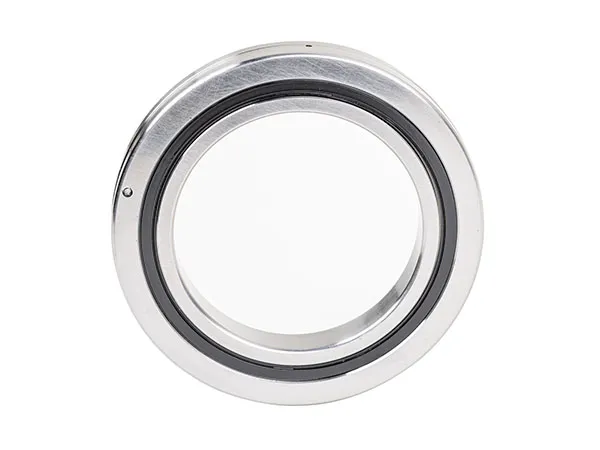
The most effective way to reduce backlash is to address it during the design phase rather than correcting it after assembly. Two design levers matter most: preload selection and tolerance stack-up management.
Preload removes internal clearance by applying a permanent axial force that presses the rollers against the raceways. For crossed roller bearings, preload is typically achieved through:
A light preload can eliminate backlash without significantly increasing friction torque. However, excessive preload raises operating temperature and reduces bearing life. The goal is to find the minimum preload that maintains zero clearance across the expected load and temperature range. LYMC recommends that engineers calculate the required preload based on maximum external load, thermal growth, and stiffness requirements rather than relying on rule-of-thumb values.
Every component in the assembly contributes to the final clearance. Raceway diameter tolerance, roller sorting grade, housing bore tolerance, and shaft shoulder squareness all stack up. A tolerance analysis that treats the bearing as one element in a chain, rather than an isolated component, prevents surprises during assembly. Tightening tolerances on the least expensive components first often yields the best cost-to-precision ratio.
Even a perfectly designed bearing can develop backlash if assembly practices are inconsistent. The following steps are essential for maintaining zero or near-zero clearance.
For applications where backlash must be essentially zero, such as direct-drive rotary tables or semiconductor handling robots, specifying a matched set of bearings with factory-set preload can simplify field assembly. LYMC supplies crossed roller bearings with controlled preload classes to support these requirements.
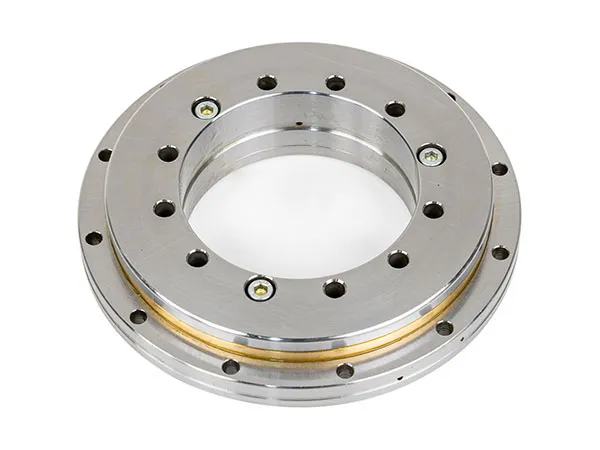
Backlash can reappear over time even if it is eliminated at assembly. Thermal cycling causes differential expansion between steel bearings and aluminum or composite housings. If the housing expands more than the bearing, preload increases; if it expands less, clearance can open up.
To maintain stable clearance:
Material selection also affects wear resistance. A raceway that wears unevenly will develop localized clearance. Hardened raceways with appropriate surface finish reduce wear and help preserve the original preload setting.
Backlash reduction is not a one-time task. Regular inspection helps detect clearance growth before it affects machine performance. A simple periodic check includes:
When clearance exceeds the specification, re-shimming or replacing the bearing is often more cost-effective than attempting to compensate through control software. A bearing that has lost preload will continue to degrade, affecting surface finish, positioning accuracy, and tool life.
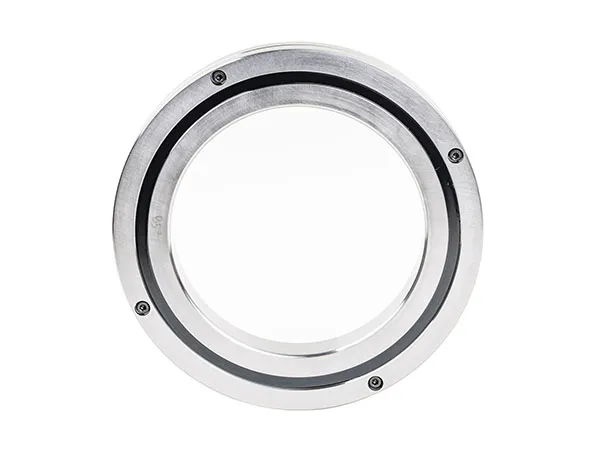
Reducing backlash in crossed roller bearing assemblies depends on a combination of correct preload, disciplined tolerance control, careful installation, and attention to thermal effects. Engineers who treat backlash as a system-level issue rather than a single-component problem achieve better repeatability and longer service life. Working with a bearing supplier that understands preload classes and application requirements simplifies the process. LYMC supports customers with technical guidance and precision crossed roller bearings designed to meet demanding clearance specifications.