- +86 13837949030 +86 15890619536
- info@lymcbearings.com
- Bearing Zone,Luoxin Industrial Cluster, Luoyang City,Henan Province,China

Time:2026-03-05 05:49:38 Source:LYMC Slewing Bearing
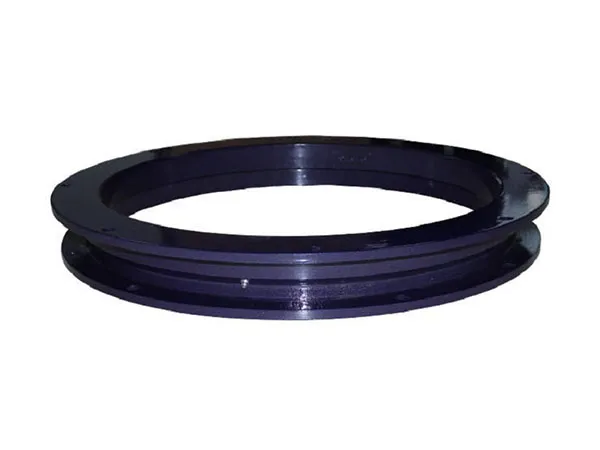
Trailer turntables serve as the pivotal connection between a trailer and its towing vehicle, enabling smooth rotational movement and precise maneuverability. At the heart of these turntables are bearings, small yet essential components that absorb load and allow for rotation. Over time, bearings are subject to wear and tear due to repeated stress, exposure to dirt, moisture, and vibration. When bearings degrade, symptoms such as unusual noise, uneven turning, or stiffness may appear, potentially escalating into mechanical failure if not addressed promptly. Replacing worn bearings is therefore not merely a maintenance task—it is a safety-critical operation. However, selecting the correct replacement bearing requires accurate measurement of its diameter. Misjudging this dimension can lead to fitting problems, accelerated wear, or damage to the turntable assembly. This guide provides a thorough, step-by-step method for measuring trailer turntable bearings, ensuring precision, safety, and long-term performance.
Trailer turntable bearings generally fall into two categories: tapered roller bearings and ball bearings.
Tapered roller bearings are typically used in heavy-duty trailers, where they handle both radial and axial loads. They are capable of sustaining high torque while distributing forces evenly along the roller surfaces.
Ball bearings, on the other hand, are more common in lighter trailers. They excel in minimizing friction and supporting moderate loads but are not designed for high axial forces.
Regardless of type, three key dimensions determine compatibility with the turntable assembly:
Inner diameter (ID) – matches the spindle or shaft of the turntable.
Outer diameter (OD) – ensures a snug fit in the housing or race.
Width (thickness) – guarantees proper axial alignment and prevents binding.
Other factors, such as bearing type, load rating, and seal configuration, also play a crucial role in performance and longevity.
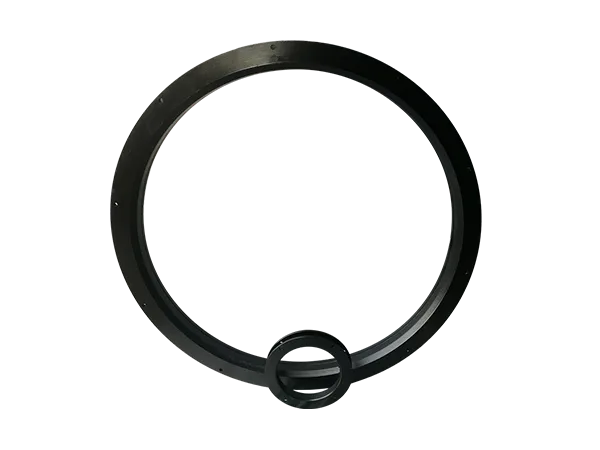
Before starting measurements, the bearing must be carefully removed from the turntable. This process typically involves disassembling the turntable assembly, cleaning components, and inspecting for wear or damage. Always prioritize safety: wear protective gloves and eye protection, and use the correct tools for disassembly.
Step 1: Gather the Necessary Tools
Accurate measurements begin with having the right tools. You will need:
Digital calipers: Precise down to 0.01 mm; essential for measuring inner and outer diameters accurately.
Micrometer: Useful for smaller tolerances, especially when checking inner diameter and width.
Ruler or tape measure: Only for rough, preliminary measurements; not recommended for final specifications.
Notebook and pen: To record dimensions clearly and avoid mistakes.
While a ruler can provide a rough estimate, relying solely on it risks ordering the wrong bearing, which can result in improper fit, vibration, and accelerated wear.
Step 2: Clean the Bearing and Turntable
Before any measurements, thoroughly clean the bearing and its spindle. Remove all grease, dirt, or debris, as these contaminants can interfere with accurate readings. Use a clean cloth, mild degreaser, or solvent to wipe surfaces. While cleaning, inspect the bearing and spindle for:
Signs of pitting or corrosion
Uneven wear
Cracks or deformation
Proper cleaning not only ensures precise measurement but also helps identify components that may require replacement beyond the bearing itself.
Step 3: Measure the Inner Diameter (ID)
The inner diameter is the most critical dimension, as it must match the spindle precisely to allow smooth rotation without play. To measure:
Insert the caliper jaws into the bearing bore.
Expand the jaws carefully until they contact the inner surface, ensuring minimal pressure to avoid deformation.
Read the measurement from the digital display or scale.
Repeat the measurement at multiple points around the bore to account for potential ovality caused by wear.
A correctly measured ID ensures smooth turning, reduces vibration, and prevents excessive load on adjacent components.
Step 4: Measure the Outer Diameter (OD)
The outer diameter determines how the bearing seats in the turntable housing. An improper OD can cause vibration, misalignment, or premature failure. To measure:
Place the bearing on a flat, stable surface.
Position the caliper perpendicular to the outer ring and close it gently until it contacts both sides.
Record the measurement.
Take multiple readings at different points to detect any irregular wear.
Accurate OD measurement ensures the bearing remains securely in the housing, supporting consistent operation under load.
Step 5: Measure the Width
The width of the bearing affects axial alignment and load distribution. Misalignment may lead to binding, uneven wear, or failure. To measure width:
Position the caliper across the bearing’s thickness from one outer ring edge to the other.
Record the measurement carefully.
Combining ID, OD, and width provides the complete set of specifications needed for selecting a replacement bearing.
Step 6: Verify Bearing Type and Specifications
Dimensions alone do not guarantee a proper replacement. Additional specifications must be verified:
Bearing type: Tapered roller or ball bearing.
Load rating: Ensures the bearing can handle the trailer’s weight and towing conditions.
Seal or shield type: Affects protection against dust, water, and grease leakage.
Tolerance class: Some high-precision applications may require tighter tolerances.
Confirming these specifications ensures the replacement bearing performs reliably under typical operating conditions.
Step 7: Cross-Reference with Manufacturer or Supplier
Once measurements and specifications are collected:
Consult the bearing manufacturer’s catalog or supplier database.
Provide the exact ID, OD, width, bearing type, and load rating.
Request recommendations for compatible replacement bearings, including suitable brands and grades.
Accurate information reduces the risk of ordering the wrong component and ensures smooth, safe operation after installation.
Always measure at least twice to confirm accuracy.
Take readings at room temperature; extreme temperatures can slightly alter metal dimensions.
Inspect both bearing and spindle for signs of damage, such as rust or pitting, as these may require additional maintenance.
Avoid measuring in the presence of heavy grease or debris.
Ignoring wear inspection: Installing a new bearing on a damaged spindle or race may cause rapid failure.
Using approximate measurements: Even minor deviations in ID or OD can result in improper fit.
Overlooking bearing type: Using the wrong taper angle, seal type, or load rating may prevent proper installation or compromise safety.
Measuring trailer turntable bearings is not just a mechanical task; it is a critical maintenance step that directly impacts safety, performance, and longevity. By following this comprehensive guide, you can measure inner diameter, outer diameter, and width accurately, while verifying the correct bearing type and specifications. Precise measurements ensure a proper fit, prevent operational issues, and extend the service life of your trailer turntable assembly.
Investing time in accurate measurement reduces the risk of mechanical failure, avoids unnecessary maintenance costs, and guarantees smoother towing performance. For trailer owners, fleet managers, and maintenance professionals, adhering to these procedures is an investment in reliability, safety, and long-term operational efficiency. Replacing worn bearings with correctly sized components ensures your trailer continues to operate safely and efficiently, mile after mile.