- +86 13837949030 +86 15890619536
- info@lymcbearings.com export@lymcbearings.com
- Bearing Zone,Luoxin Industrial Cluster, Luoyang City,Henan Province,China

Time:2026-03-18 12:28:07 Source:LYMC Slewing Bearing
In large-scale mining operations, equipment reliability is not simply a performance metric—it directly determines production continuity and cost control. Among the many mechanical components used in mining transport systems, turntable bearings in mining trailers play a decisive role in ensuring structural stability and maneuverability. However, unlike standard industrial applications, these bearings operate in an environment where contamination, impact loads, and chemical exposure are constant and unavoidable.
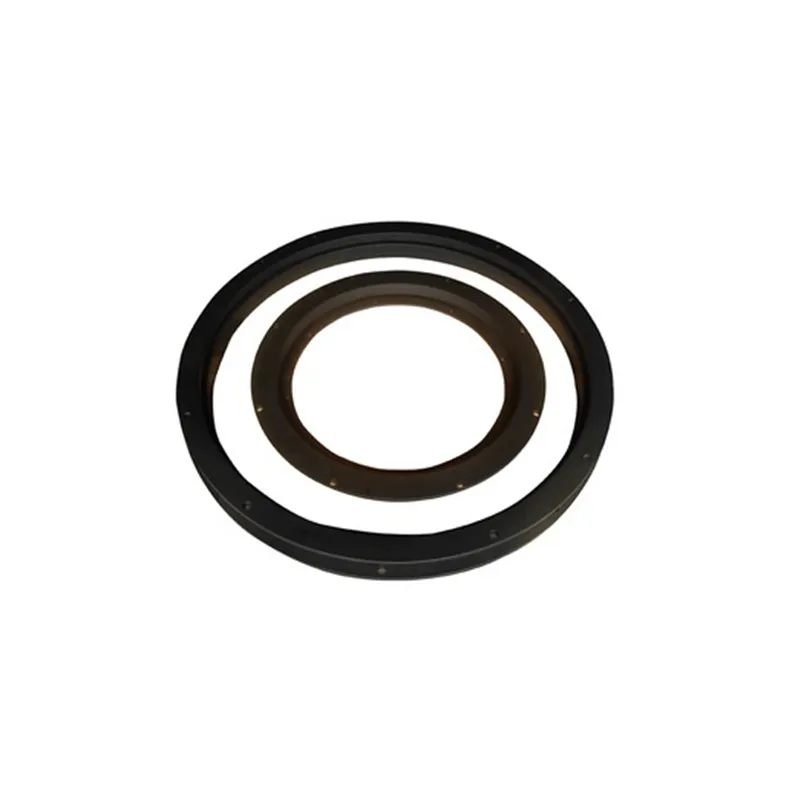
Under such conditions, traditional sealing methods often fall short. As a result, environmental sealing solutions are no longer treated as auxiliary components but as a core engineering consideration that directly affects bearing lifespan, maintenance cycles, and overall fleet efficiency.
Why Turntable Bearings Are a Critical Failure Point in Mining Trailers
Turntable bearings function as the rotational interface between the trailer chassis and the load-bearing platform. This rotational capability allows mining trailers to navigate uneven terrain, tight loading zones, and confined operational paths.
However, this same structural position exposes the bearing system to multiple stress factors simultaneously:
Continuous high-load rotation
Shock loads from uneven ground
Direct exposure to contaminants from below and above
Limited protection due to structural openness
When a sealing system fails, contamination enters the bearing raceway, leading to lubrication breakdown, increased friction, and ultimately premature failure. In real-world mining scenarios, this often results in unplanned downtime, costly part replacement, and operational delays that cascade across the production chain.
From an engineering perspective, the degradation of turntable bearings is rarely caused by a single factor. Instead, it is the combined effect of multiple environmental aggressors:
1. Fine Abrasive Particles
Mining sites generate ultra-fine dust that can easily bypass inadequate seals. Once inside the bearing, these particles act as grinding media, accelerating wear on raceways and rolling elements. Over time, this leads to surface pitting and loss of precision.
2. Water and Slurry Ingress
Water contamination is particularly destructive because it not only removes lubrication but also initiates corrosion. In slurry-heavy environments, the mixture of water and particles creates a highly abrasive paste that significantly shortens bearing life.
3. Chemical Corrosion
In certain mining operations, especially those involving ore processing, bearings may be exposed to chemically aggressive substances. Without chemically resistant sealing materials, degradation can occur rapidly at the seal interface, allowing deeper contamination.
4. Load-Induced Seal Deformation
Under heavy loads, bearing housings can experience slight deformation. Poorly designed seals may lose contact integrity under these conditions, creating micro-gaps that allow contaminants to enter.
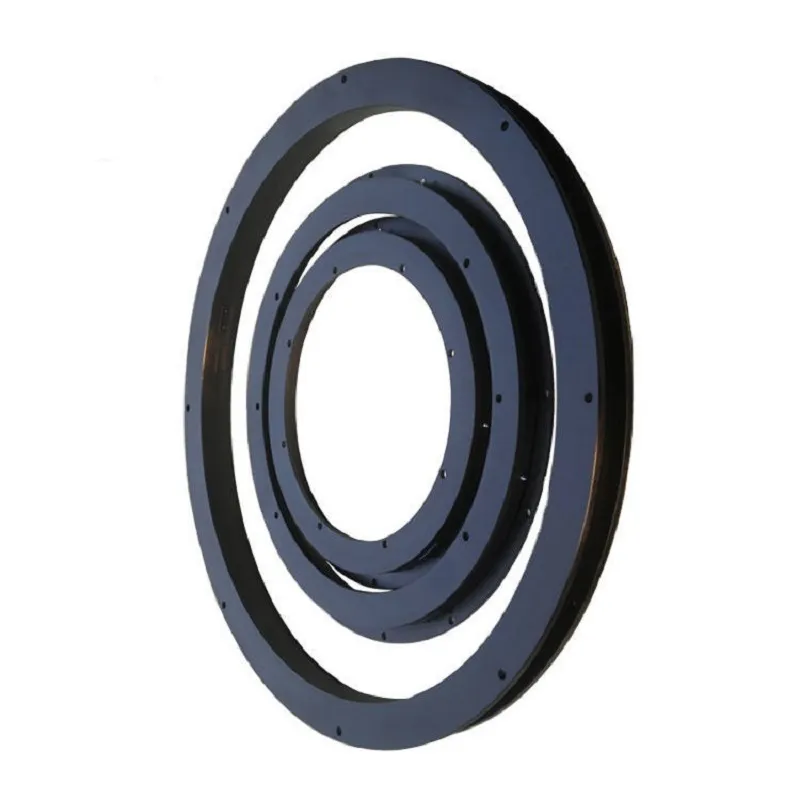
Modern mining applications require sealing systems that are not only protective but also adaptive to dynamic operating conditions. The following solutions represent current best practices:
Multi-Stage Labyrinth Sealing Systems
Rather than relying on a single barrier, labyrinth seals create a complex pathway that significantly reduces the likelihood of contaminant ingress. In mining environments, multi-stage designs are preferred, as they provide layered protection without increasing friction.
High-Performance Elastomer Seals
Advanced elastomer materials such as FKM and polyurethane are widely used due to their resistance to temperature fluctuations, chemical exposure, and mechanical wear. These seals maintain consistent contact pressure, ensuring effective sealing even under vibration and load variation.
Hybrid Seal Architectures
Combining contact and non-contact sealing technologies has proven highly effective in mining applications. For example, a primary lip seal can block moisture and slurry, while a secondary labyrinth structure prevents dust penetration. This dual approach significantly enhances reliability.
Reinforced Metal Shields and Structural Protection
In addition to sealing materials, structural protection plays an important role. Integrated metal shields or external protective covers can prevent large debris impact, reducing the risk of seal damage during operation.
Even the most advanced sealing system cannot perform effectively without proper lubrication management. In practice, sealing and lubrication should be treated as a unified system rather than independent components.
High-viscosity grease with anti-wear additives helps maintain a protective film under heavy loads
Corrosion inhibitors reduce the impact of moisture ingress
Proper grease replenishment intervals prevent dry-running conditions
More advanced mining fleets are now adopting automated lubrication systems, which ensure consistent grease distribution and reduce the risk of human error during maintenance.
Investing in optimized environmental sealing solutions delivers measurable operational advantages:
Longer Bearing Service Life
By minimizing contamination, wear is significantly reduced, extending replacement cycles and lowering spare part consumption.
Reduced Maintenance Intervals
Well-designed sealing systems reduce the frequency of inspections and repairs, freeing up maintenance resources.
Improved Equipment Reliability
Stable bearing performance ensures consistent trailer operation, reducing unexpected failures in critical production phases.
Enhanced Safety Performance
Bearing failures in mining environments can lead to serious safety incidents. Reliable sealing systems contribute directly to safer operations.
Lower Total Cost of Ownership (TCO)
Although advanced sealing solutions may have higher upfront costs, they deliver long-term savings through reduced downtime, fewer replacements, and improved efficiency.
For engineers and procurement teams, selecting the appropriate sealing system requires a structured evaluation:
Environmental Analysis: Identify dominant risks (dust, water, chemicals)
Load Conditions: Consider both static and dynamic load variations
Material Compatibility: Ensure resistance to chemicals and temperature extremes
Seal Design Complexity: Balance performance with ease of maintenance
Serviceability: Evaluate how easily seals can be inspected or replaced in field conditions
In many cases, working closely with bearing manufacturers to develop customized sealing configurations yields the best results.
In modern mining operations, environmental sealing for turntable bearings should not be treated as a secondary design element. Instead, it represents a proactive reliability strategy that directly impacts productivity, safety, and cost efficiency.
By integrating advanced sealing technologies with intelligent lubrication practices and condition-based maintenance, mining operators can significantly reduce failure risks and extend equipment lifespan.
Ultimately, the shift toward high-performance sealing solutions reflects a broader industry trend: moving from reactive maintenance to predictive and reliability-centered engineering. For companies aiming to improve fleet performance and maximize return on investment, upgrading sealing systems is not just a technical improvement—it is a strategic decision.