- +86 13837949030 +86 15890619536
- info@lymcbearings.com
- Bearing Zone,Luoxin Industrial Cluster, Luoyang City,Henan Province,China

Time:2026-01-09 06:00:58 Source:LYMC Slewing Bearing
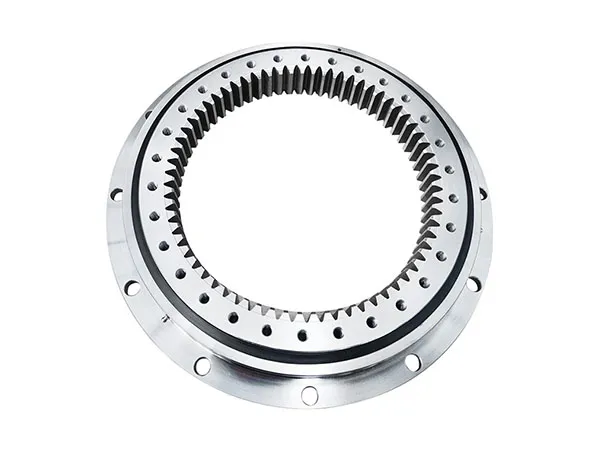
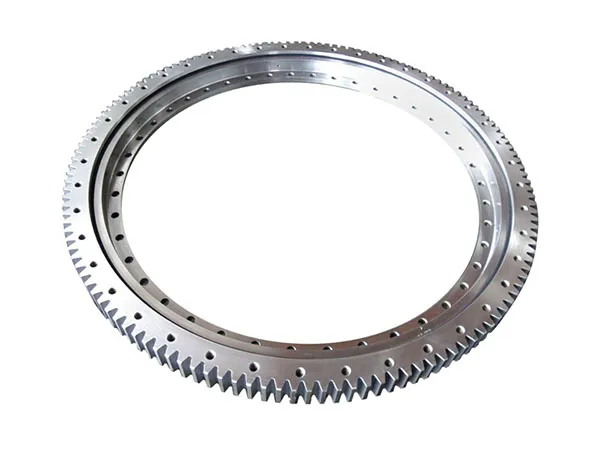
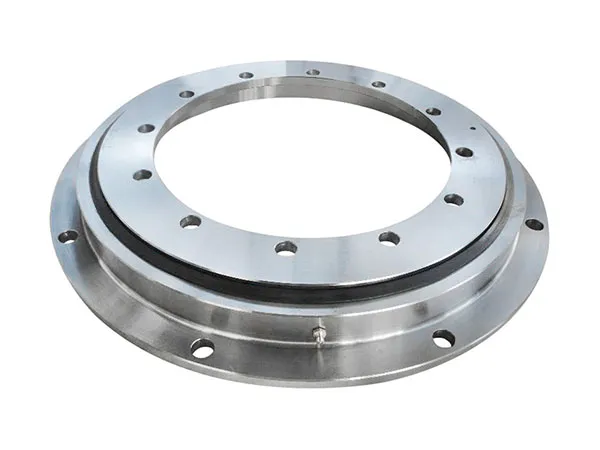
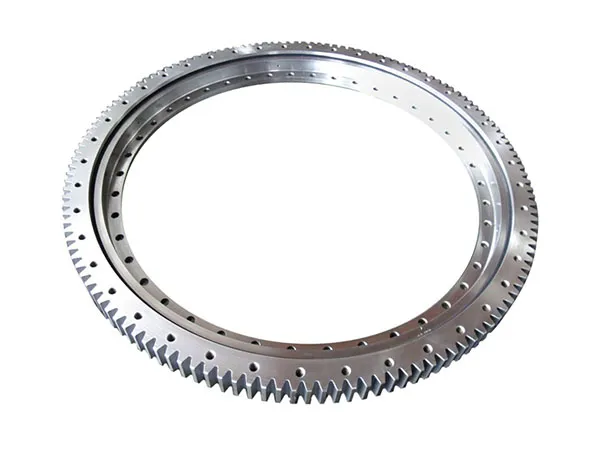
Flange slewing bearings play a crucial role in cranes, excavators, wind turbines, lifting platforms, and other heavy-duty machinery. As multi-load components capable of sustaining axial, radial, and overturning forces, their operational condition directly influences equipment safety and performance. However, long-term service under harsh environments, inadequate lubrication, installation errors, or unexpected overloads may lead to bearing damage.
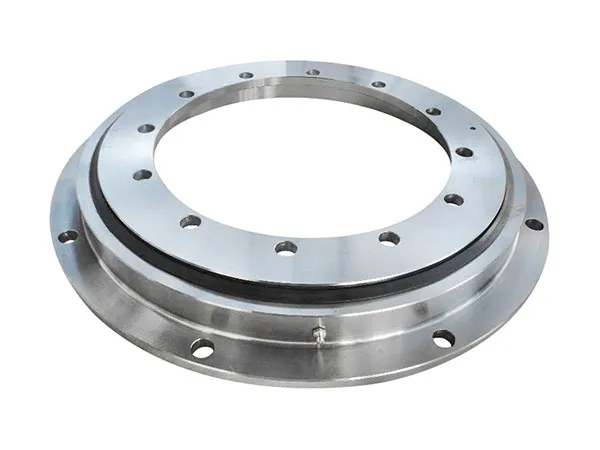
Timely and correct repair not only restores equipment performance but also significantly reduces downtime and replacement costs. This article provides a practical and detailed guide on how to repair a damaged flange slewing bearing, offering useful insights for engineers, maintenance technicians, and equipment managers.
Before initiating any repair process, it is essential to accurately diagnose the problem. Different types of damage require different technical approaches. Typical failure signs include:
Surface Wear and Fatigue
Raceway scoring, indentation, and pitting often occur due to poor lubrication or contamination. This leads to uneven rotation, increased noise, and higher torque.
Cracks or Structural Fracture
Overloading, sudden impact, or installation misalignment can cause cracks on the flange or bearing ring. Even fine cracks can spread under repeated stress cycles.
Corrosion and Rusting
Exposure to humidity, chemical substances, or outdoor environments accelerates corrosion, weakening the raceway hardness and reducing bearing life.
Bolt Loosening or Breakage
If flange bolts lose preload, the bearing may shift during operation, leading to vibration, uneven load distribution, and potential catastrophic failure.
Recommended diagnostic tools:
Visual inspection with magnification
Magnetic particle examination for crack detection
Ultrasonic flaw detection for internal material defects
Dial indicator to measure bearing clearance changes
Accurate diagnosis determines whether the bearing is repairable or should be replaced entirely.
A successful repair starts with proper preparation. Skipping these steps may lead to secondary damage.
Clean Thoroughly
Remove grease, metal debris, hardened contaminants, and residue from the raceways and bolt holes. A clean surface ensures reliable inspection and bonding during repair.
Controlled Disassembly
Follow the manufacturer’s disassembly sequence to avoid deforming the bearing ring. Use proper lifting tools to prevent accidental impact.
Document Everything
Measure wear depth, raceway hardness, bolt elongation, and any geometric deviations. Photographs and records help determine machining allowance and repair feasibility.
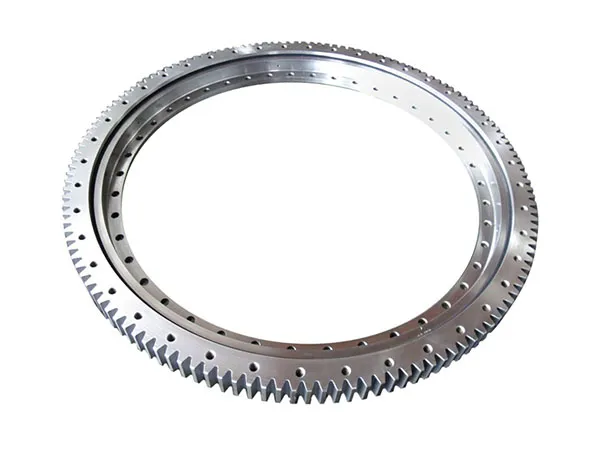
Depending on the severity of damage, the following repair strategies can be applied:
(1) Surface Repair and Restoration
Precision Grinding and Polishing
For mild scoring or pitting, controlled grinding restores the raceway profile and smoothness. This method helps reduce friction and ensure consistent rotating torque.
Build-Up Welding + Machining
When wear is deep or the material surface has peeled off, welding is performed to rebuild the metal layer. The restored surface is then CNC-machined to match the original geometry.Note: This requires skilled technicians to prevent heat distortion.
(2) Structural Repair for Cracks or Flange Damage
Bolt Replacement
Use high-strength, manufacturer-rated bolts. Ensure torque values and tightening sequence follow standards to avoid uneven load distribution.
Crack Reinforcement
Cracks on the flange or housing can be repaired using metal inserts, reinforcement plates, or controlled welding. The repaired section must pass stress testing and alignment checks.
(3) Anti-Corrosion and Lubrication Enhancement
Surface Protection
After repair, apply anti-rust coatings, galvanizing layers, or protective paint to slow future corrosion.
Lubrication Upgrade
Use premium grease suitable for high-load applications and ensure lubrication channels are fully open. Consider lithium-based, EP (extreme pressure) or synthetic lubricants depending on the working environment.
After completing all repairs, the bearing must undergo systematic reassembly and testing.
Reassemble With Precision
Follow alignment procedures, restore torque settings, and ensure even bolt tightening. Improper assembly can negate the entire repair effort.
Conduct Functional Trials
Start rotation with a light load. Check for:
Abnormal noise
Excessive vibration
Increased torque resistance
Gradually increase load to standard operating levels while monitoring temperature and running stability.
A repaired bearing can achieve an extended lifespan if proper preventive measures are implemented:
Schedule Routine Inspections
Monitor lubrication condition, bolt tightness, and raceway wear patterns.
Control Operating Load
Avoid sudden impacts, overloads, and misalignment. Ensure the bearing works within the recommended load capacity.
Maintain Proper Lubrication Intervals
Insufficient or incorrect lubrication is one of the leading causes of slewing bearing failure. Use automatic lubrication systems if possible.
Repairing a damaged flange slewing bearing is a multi-step process that requires accurate diagnosis, technical repair, and preventive planning. While minor wear can be repaired directly on-site through grinding or lubrication adjustments, significant structural damage demands professional evaluation and precise machining.
By adopting the right repair strategy and maintaining a consistent maintenance routine, companies can effectively extend equipment life, reduce operational downtime, and significantly lower lifecycle costs.