- +86 13837949030 +86 15890619536
- info@lymcbearings.com
- Bearing Zone,Luoxin Industrial Cluster, Luoyang City,Henan Province,China

Time:2026-01-15 07:17:52 Source:LYMC Slewing Bearing
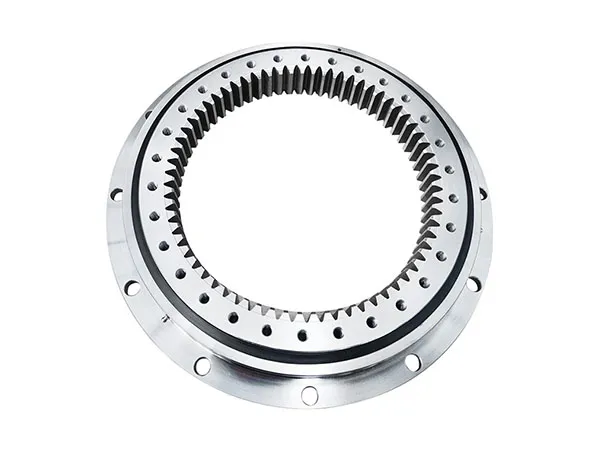
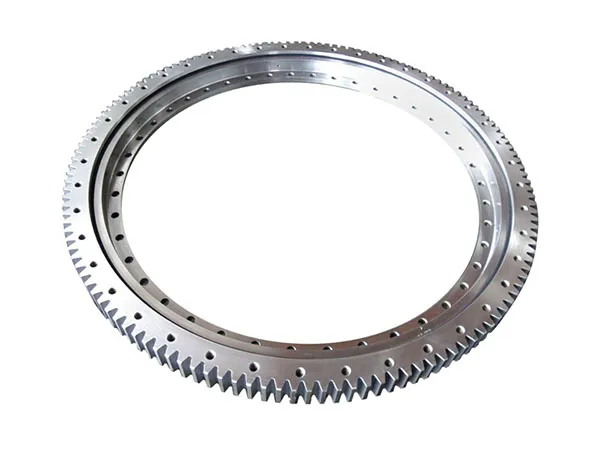
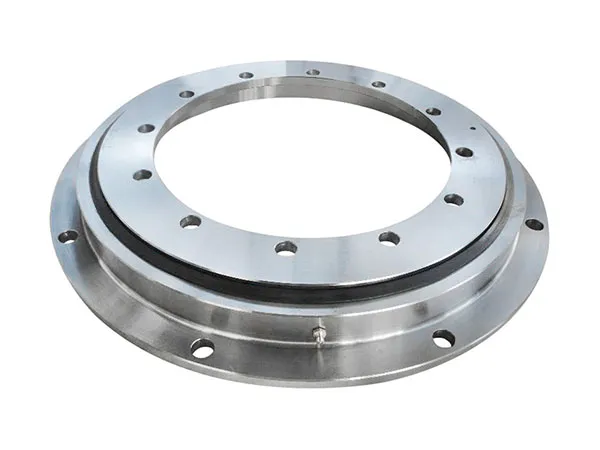
Flange slewing bearings are essential components in a wide range of heavy-duty machinery, including cranes, wind turbines, construction equipment, and industrial turntables. Choosing the right bearing is not only a matter of performance—it also directly affects operational costs and long-term reliability. Understanding the factors that influence the cost of flange slewing bearings helps companies make informed purchasing decisions while ensuring safety and efficiency.
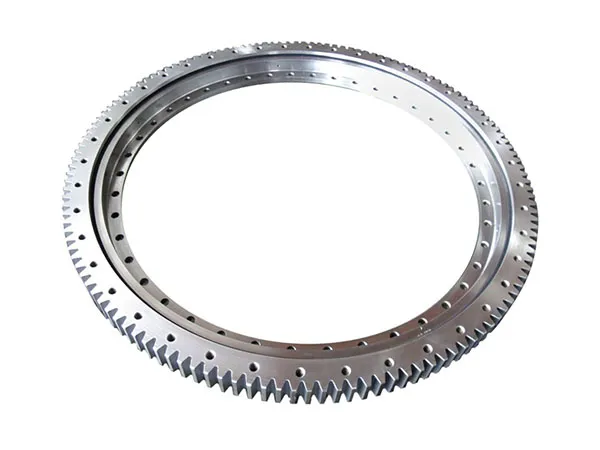
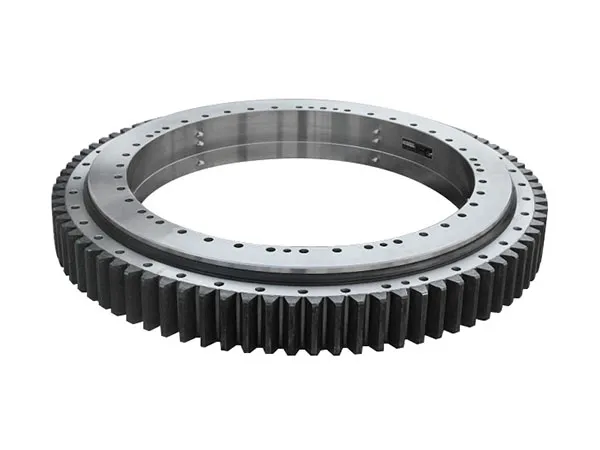
The size of a flange slewing bearing is one of the most significant determinants of its price. Larger bearings, which are designed to support heavier loads, require more raw materials and precision manufacturing, naturally increasing their cost.
Key considerations include:
Diameter and Thickness: Larger diameters and thicker cross-sections provide higher load capacity but demand more material and machining precision.
Flange Design: Bearings with extended flanges or complex mounting configurations may require additional fabrication steps.
Small vs. Large Bearings: While smaller bearings may seem budget-friendly, they often cannot handle the load demands of heavy machinery. Using undersized bearings can lead to premature wear, frequent replacements, and higher maintenance costs over time.
Load Ratings: Bearings designed for higher dynamic and static loads often use hardened steel and optimized internal geometries. These features increase production complexity and, consequently, the price.
Material choice directly impacts the bearing’s durability, resistance to wear and corrosion, and overall lifespan. Common materials include:
Carbon Steel: Cost-effective, suitable for indoor or controlled environments, but susceptible to rust in humid or outdoor conditions.
Alloy Steel: Offers higher strength, fatigue resistance, and reliability in demanding industrial applications.
Stainless Steel: Highly corrosion-resistant, ideal for marine, coastal, or outdoor environments, but carries a higher initial cost.
Investing in high-quality materials may increase the upfront expense, but it significantly reduces maintenance frequency, downtime, and replacement costs in the long term.
Flange slewing bearings come in multiple configurations, each tailored for specific load requirements and applications:
Single-row Bearings: Designed for moderate loads; generally the most economical option.
Double-row or Cross-roller Bearings: Capable of handling heavier radial and axial loads, with higher cost due to their complex construction.
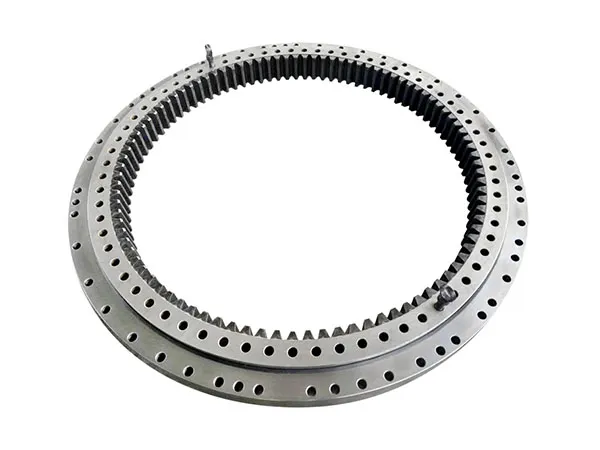
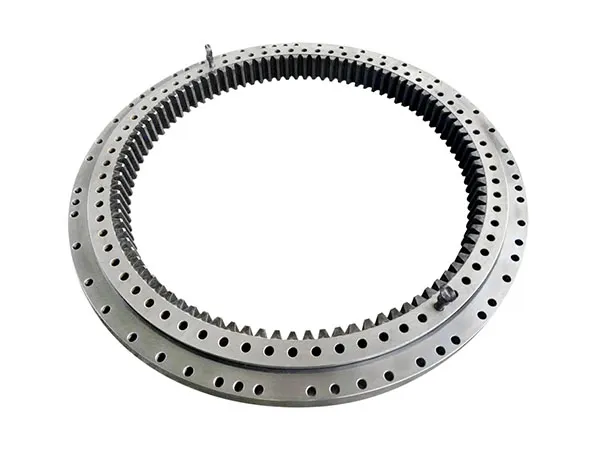
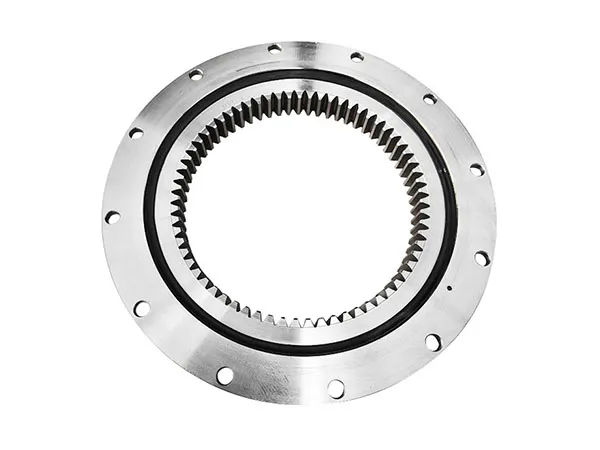
Custom or Special Designs: Features such as integrated gear teeth, lubrication channels, or customized mounting holes can increase both manufacturing costs and delivery lead time.
Selecting the right type of bearing for your application ensures optimal performance while avoiding unnecessary expenses from over-specifying.
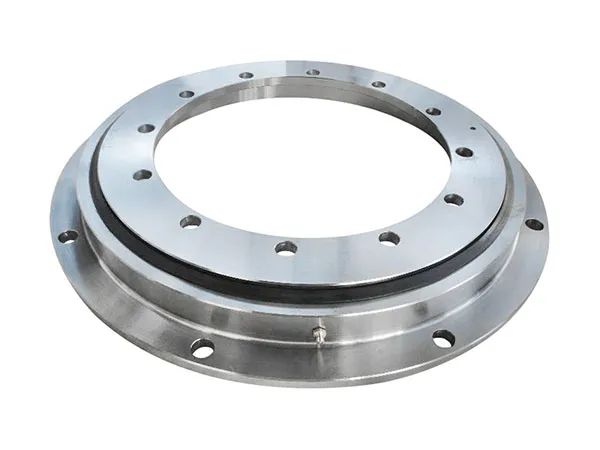
For high-precision machinery—such as robotic arms, radar systems, or satellite positioning platforms—bearings require tighter tolerances and higher rotational accuracy. Achieving this level of precision involves advanced manufacturing techniques, meticulous quality control, and specialized inspection equipment. These factors naturally drive up the price.
Modern flange slewing bearings often come with optional features that improve performance and longevity:
Sealing Systems: Protect against dust, moisture, and other contaminants.
Preloaded Designs: Reduce backlash, improve rotational accuracy, and ensure smoother operation.
Lubrication Solutions: Extended-life lubrication options reduce maintenance intervals.
Other cost-related considerations include warranty coverage, technical support, and shipping logistics. High-quality suppliers may charge more upfront but can save money and downtime over the equipment’s operational life.
The choice of supplier significantly affects cost and reliability. Established manufacturers with certifications and consistent quality standards may offer higher prices but provide peace of mind, reliable delivery, and technical support.
Other external factors influencing pricing include:
Fluctuating raw material costs (e.g., steel or stainless steel prices).
Market demand for heavy machinery components.
Transportation and logistics costs, especially for large or heavy bearings.
Key Takeaways
When evaluating flange slewing bearing costs, it’s essential to look beyond the initial price tag. Consider:
Bearing Size and Load Capacity – Oversizing or undersizing can impact both performance and cost.
Material Quality – Better materials may cost more initially but reduce long-term maintenance expenses.
Bearing Type and Design – The right type ensures durability and efficiency.
Precision Requirements – High-accuracy applications require higher investment.
Additional Features – Seals, lubrication, and preload systems enhance performance.
Supplier Reputation and Market Conditions – Reliable suppliers reduce operational risks.
By carefully weighing these factors, companies can make cost-effective decisions that maximize machinery uptime, ensure operational safety, and provide true value over the lifecycle of the equipment.