- +86 13837949030 +86 15890619536
- info@lymcbearings.com
- Bearing Zone,Luoxin Industrial Cluster, Luoyang City,Henan Province,China

Time:2026-01-23 02:31:20 Source:LYMC Slewing Bearing
Flange slewing bearings are key components in heavy machinery, supporting smooth rotation in applications such as cranes, excavators, wind turbines, and industrial turntables. Proper installation is essential—not only for operational efficiency but also for extending the bearing’s service life and ensuring safety. Incorrect installation or poor maintenance can lead to costly downtime, premature wear, or even catastrophic failures. This guide provides a detailed, practical walkthrough of installation steps, along with essential precautions based on real-world engineering experience.
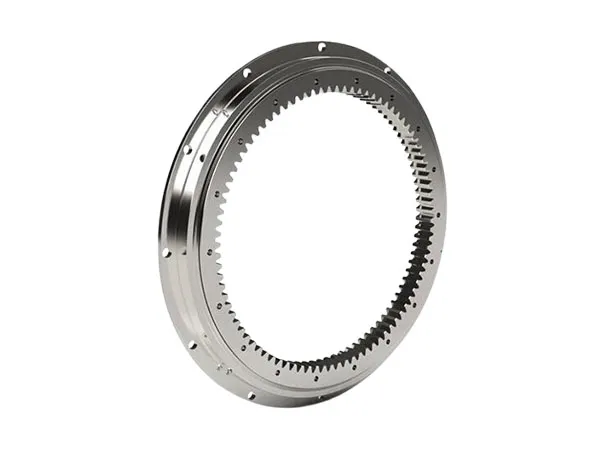
Successful installation starts with thorough preparation. Skipping this step is one of the main causes of bearing failure.
1.1 Inspect the Bearing
Examine the bearing carefully for any dents, scratches, or deformation that may have occurred during shipping.
Confirm that the raceways, rollers, and flange surfaces are clean and free from oil, dust, or foreign particles.
Check seals and grease fittings to ensure no damage has occurred during transport.
1.2 Verify Mounting Surfaces
Ensure the foundation or bracket is level, rigid, and completely free of burrs, welding splatter, or rough edges.
Measure flatness using a precision level or laser alignment tools. Even minor unevenness can create stress concentrations that reduce bearing life.
Ensure that bolt holes match the bearing pattern precisely; misalignment here can warp the flange during torqueing.
1.3 Gather Proper Tools and Materials
Use appropriate lifting equipment rated for the bearing weight.
Prepare calibrated torque wrenches, alignment tools, lifting slings, and manufacturer-recommended lubricants.
Avoid improvised tools—impact wrenches, crowbars, or uneven torque can easily damage rollers or raceways.
Step 1: Position the Bearing
Carefully lift the bearing into place using a crane, hoist, or forklift with lifting lugs.
Avoid striking the flange or raceways; even small dents can cause uneven rotation or reduce service life.
Align the bolt holes with the mounting surface. Use alignment pins or guide bolts if necessary to prevent skewing during placement.
Pro Tip: If the bearing is large, consider rotating it slightly while lowering to avoid contact between rollers and the foundation.
Step 2: Bolt Tightening
Insert all bolts loosely to ensure the bearing can adjust slightly during torqueing.
Tighten bolts gradually in a crisscross (star) pattern to distribute stress evenly.
Use a calibrated torque wrench and adhere strictly to the manufacturer-specified torque values. Over-tightening can warp the flange; under-tightening can loosen the bearing during operation.
Mark bolts with a torque indicator paint after tightening to easily identify if future checks are needed.
Step 3: Lubrication
Slewing bearings may come pre-lubricated, but applying fresh grease is critical after installation.
Use the manufacturer-recommended type and quantity of grease. Avoid generic lubricants that may not match bearing specifications.
Ensure grease reaches all rolling elements and contact surfaces.
Check seals and grease fittings to prevent contamination.
Pro Tip: After initial operation, recheck grease distribution to ensure even coverage, especially for bearings operating under heavy loads.
Step 4: Test Rotation
If feasible, manually rotate the bearing to check for smooth movement.
Listen for grinding, clicking, or uneven resistance; these may indicate misalignment, debris, or insufficient lubrication.
Verify that the bearing rotates smoothly over its full range before putting the machine into full operation.
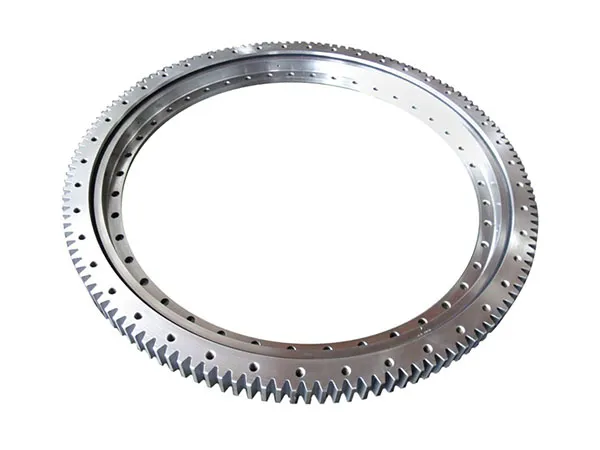
Following these precautions can prevent common failures and extend the life of your flange slewing bearings:
3.1 Avoid Uneven Loading
Slewing bearings are designed for specific axial, radial, and moment loads.
Never exceed the specified load limits, and ensure load distribution is even across the bearing surface.
Uneven loads can cause rollers to wear unevenly or raceways to deform.
3.2 Maintain Cleanliness
Dust, sand, water, or welding spatter can accelerate wear and cause premature failure.
Keep the installation area clean, and avoid installing bearings in open dusty environments when possible.
Consider temporary protective covers during installation.
3.3 Regular Bolt Checks
Vibration during operation may loosen bolts over time.
Schedule periodic torque inspections to ensure the bearing remains securely fastened.
3.4 Monitor Lubrication
Operating conditions affect grease life. Bearings in humid, dusty, or high-load environments may need more frequent lubrication.
Inspect grease fittings and seals for leakage, contamination, or wear.
3.5 Avoid Shock Loads
Heavy impacts during operation or maintenance can create micro-cracks in the bearing.
Always handle equipment carefully and avoid sudden force during installation or maintenance.
3.6 Environmental Considerations
Temperature fluctuations, corrosive atmospheres, and high humidity can affect bearing performance.
Use anti-corrosion grease and protective coatings in harsh environments.
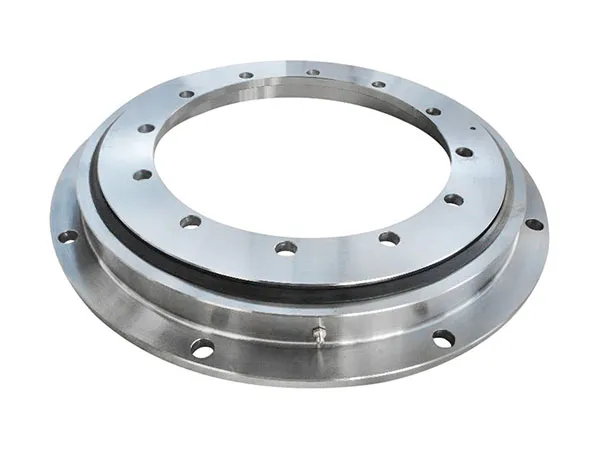
Document Every Step: Record installation torque, alignment, lubrication type, and inspection dates.
Monitor Performance: Listen for abnormal noises and monitor rotational resistance regularly.
Schedule Preventive Maintenance: Follow the manufacturer’s maintenance intervals for grease replenishment and bolt checks.
Train Operators: Ensure staff handling the equipment understand bearing limits and proper operation procedures.
By following these guidelines, flange slewing bearings can achieve maximum service life, smooth operation, and reduced downtime. Proper installation and careful maintenance are investments that protect heavy machinery and improve overall operational efficiency.
Engineer’s Tip: For large-scale equipment, consider vibration and load monitoring systems to detect early warning signs of bearing wear or misalignment. This proactive approach can prevent costly failures and extend equipment life.