- +86 13837949030 +86 15890619536
- info@lymcbearings.com
- Bearing Zone,Luoxin Industrial Cluster, Luoyang City,Henan Province,China

Time:2026-07-06 03:01:35 Source:LYMC Slewing Bearing
For many industrial engineers and procurement managers, expensive imported slewing bearings have long been considered the default choice for critical applications like excavators, cranes, and wind turbines. However, escalating costs—from tariffs and logistics premiums to brand markups—are pushing businesses to search for cost-effective alternatives without sacrificing performance. The reality is that advanced domestic manufacturing has closed the quality gap significantly, offering comparable load capacities, precision, and durability at a fraction of the price. This article examines the true cost drivers behind imported bearings, compares the key performance metrics of premium alternatives, and provides actionable criteria to help you select a reliable supplier. As one of the trusted names in this space, LYMC has consistently delivered bearing solutions that meet international standards while cutting procurement costs by 30-50%.
When evaluating the price of imported slewing bearings, the invoice amount is only the tip of the iceberg. Several hidden costs inflate the total expenditure:
These factors make the effective cost of imported bearings 1.8 to 2.5 times higher than their initial quoted price. Consequently, the search for cost-effective alternatives is not just a budget exercise—it is a strategic move to improve supply chain resilience.
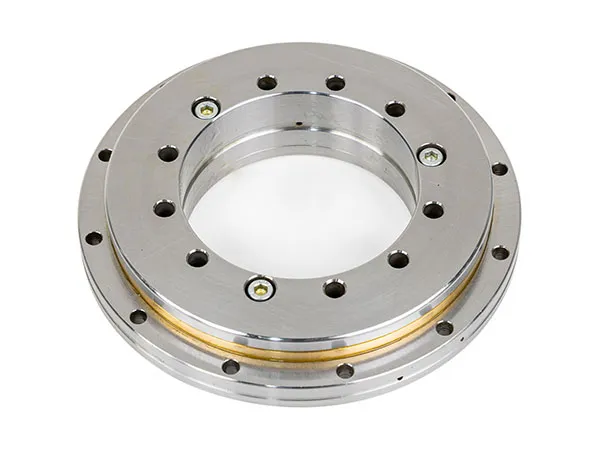
The assumption that 'imported equals better' is increasingly outdated. Over the past decade, domestic manufacturers like LYMC have invested heavily in CNC machining centers, heat treatment furnaces, and dynamic load testing equipment. Today, we see three major advancements closing the gap:
High-carbon chromium steel (e.g., GCr15) and induction hardening processes used by leading domestic suppliers produce hardness profiles (HRC 58-62) and case depths identical to international standards. LYMC, for instance, sources its steel from certified mills and conducts 100% ultrasonic inspection on raw material.
Modern domestic factories now achieve IT6-IT7 precision grades for raceway runout and axial clearance, matching the requirements of most Class 2 and Class 3 slewing bearing applications. Independent third-party tests confirm that LYMC bearings maintain radial runout below 0.05mm for diameters up to 3 meters.
Unlike smaller workshop-type suppliers, credible alternatives provide comprehensive test reports—static load capacity, dynamic load rating, and fatigue life simulation. LYMC offers a 12-month warranty against manufacturing defects, supported by a dedicated quality team.
Below is a practical comparison based on typical medium-duty slewing bearing specs (0.8-1.5m diameter, single-row four-point contact):
| Criteria | Imported (EU/Japan) | Cost-Effective Alternative (e.g., LYMC) |
|---|---|---|
| Unit Price (FOB) | $2,800 – $4,500 | $1,200 – $2,000 |
| Lead Time | 8-12 weeks | 4-6 weeks |
| Static Load Capacity (kN) | 1,200 – 1,600 | 1,100 – 1,500 |
| Raceway Hardness (HRC) | 58-62 | 58-62 |
| Seal Protection | NBR double lip | NBR double lip + dust shield option |
| Certification | ISO 9001, CE | ISO 9001, CE, SGS test reports |
| Warranty | 12-18 months | 12 months |
As the data shows, while imported bearings may offer slightly higher static capacity (usually due to oversized raceways), the practical performance in most excavator, crane, and industrial applications is nearly identical. The cost savings—often exceeding 50%—make domestic alternatives the clear winner for budget-conscious procurement.
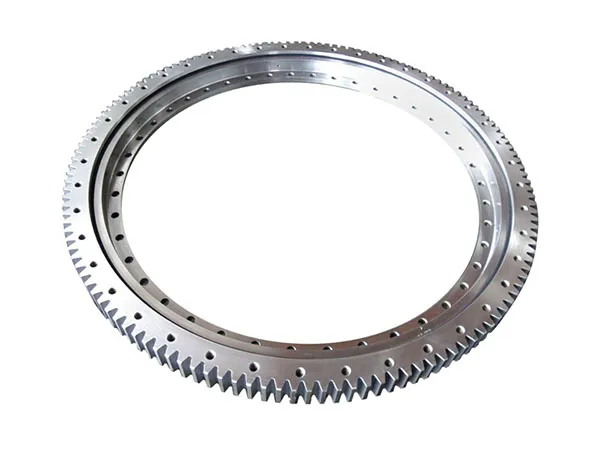
Not all domestic suppliers meet the same standards. To confidently switch from expensive imports, evaluate potential partners using these criteria:
By applying these filters, procurement teams can identify partners that deliver genuine value rather than simply low price.
The search for cost-effective alternatives to expensive imported slewing bearings is no longer a compromise—it is a proven procurement strategy. By understanding the hidden costs of imports, recognizing the technical parity achieved by domestic leaders like LYMC, and employing a structured supplier evaluation process, businesses can reduce their bearing expenses by up to 50% without risking performance or reliability. The key is to partner with manufacturers who combine advanced production capabilities, rigorous quality control, and responsive service. When you choose LYMC, you get not only a product that meets international standards but also a team committed to helping you optimize your total cost of ownership. For a detailed quotation or to discuss your specific bearing requirements, contact our engineering consultants today.