- +86 13837949030 +86 15890619536
- info@lymcbearings.com
- Bearing Zone,Luoxin Industrial Cluster, Luoyang City,Henan Province,China

Time:2025-12-12 02:28:12 Source:LYMC Slewing Bearing
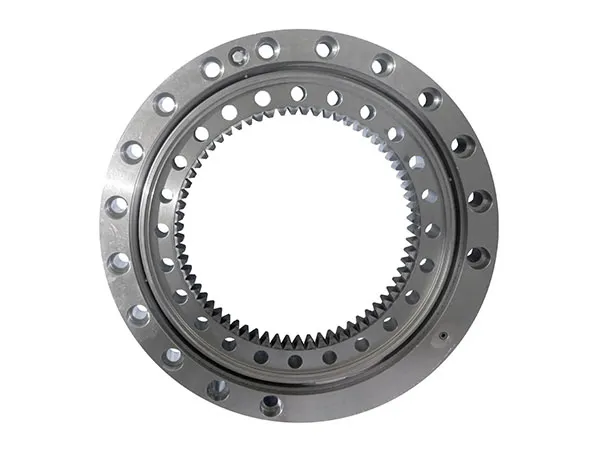
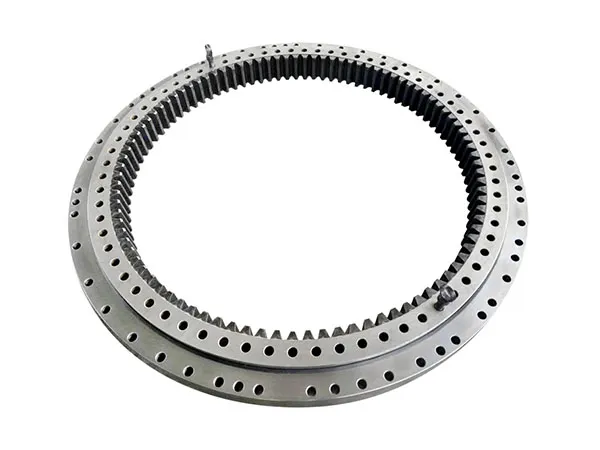
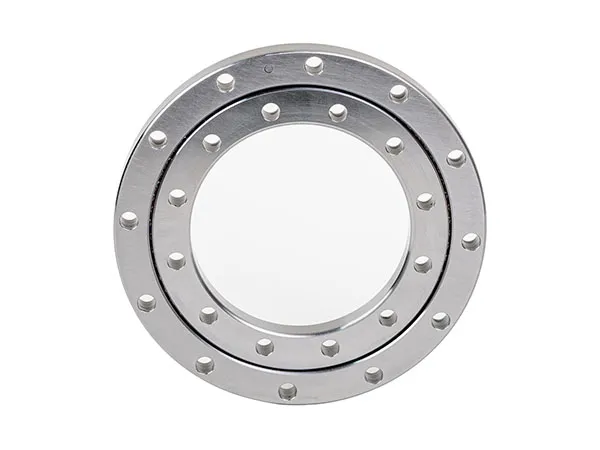
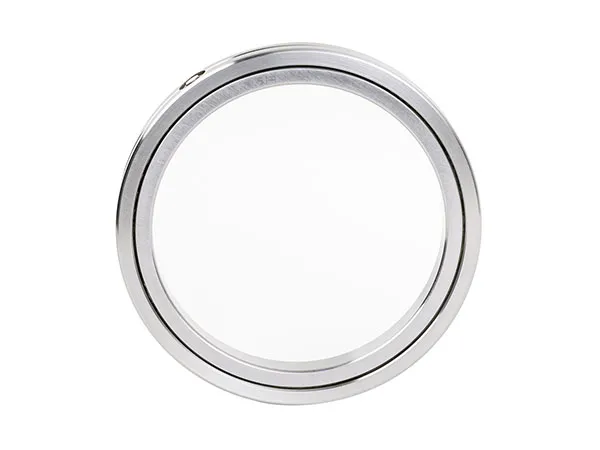
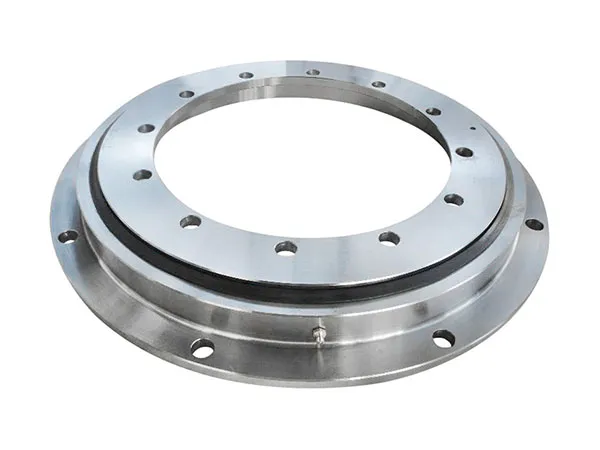
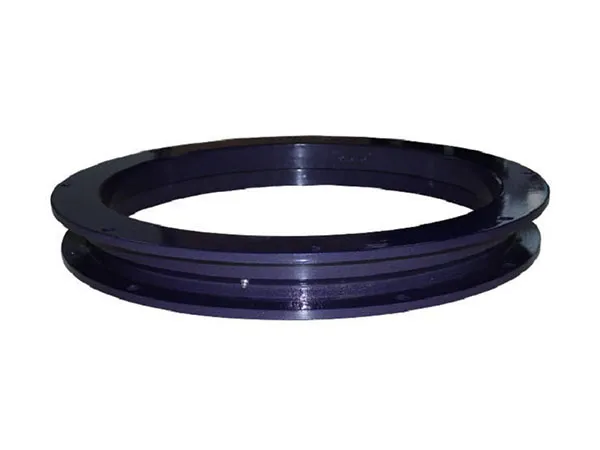
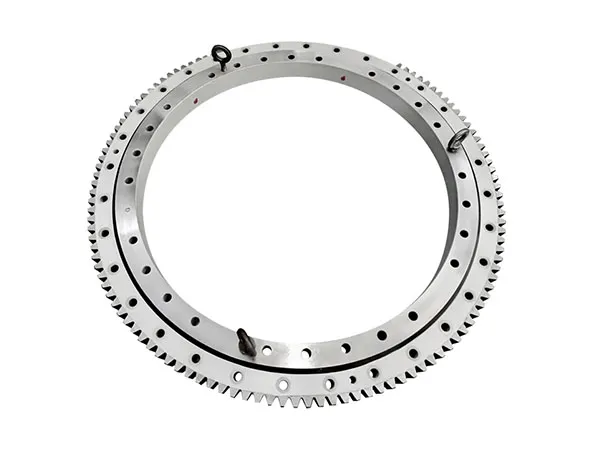
Slewing bearings (also known as slewing supports) are crucial rotating components in large machinery, widely used in cranes, excavators, construction machinery, wind power equipment, robots, metallurgical equipment, and automated production lines.
Due to their ability to withstand heavy loads and impact loads while maintaining precise rotation, proper daily maintenance not only extends the service life of slewing bearings but also effectively reduces failure rates and improves overall equipment operating efficiency.
This article will comprehensively analyze slewing bearing maintenance methods, lubrication techniques, and usage precautions based on actual working conditions, helping companies to perform equipment maintenance more scientifically.
Why is routine maintenance of slewing bearings crucial?
Slewing bearings are exposed to various factors during long-term operation, including dust, moisture, corrosion, load impact, and poor lubrication. If maintenance is not timely or standardized, it can easily lead to:
Increased operating noise
Slewing jamming or instability
Accelerated raceway wear
Decreased load-bearing capacity
Frequent malfunctions, impacting production
Significantly shortened service life
Establishing a standardized routine maintenance system is an effective means to ensure stable equipment operation and reduce downtime.

Regularly observe the operating status and appearance of the slewing bearing, focusing on:
Abnormal wear or cracks
Lubricant leakage
Smooth rotation and any unusual noises
Loose mounting bolts
During daily cleaning, use a clean brush or compressed air to remove dust and impurities, preventing foreign objects from entering the raceway and affecting rotational accuracy.
1. Rolling Element Raceway Lubrication
Lubricant Selection:
High-quality, heavy-duty, extreme-pressure lithium-based grease is typically required.
The manufacturer's recommended model and specifications should be strictly followed. Special operating environments (such as high temperature, high humidity, or extreme cold) may require specialized greases.
Lubrication Cycle:
Generally, the recommended lubrication cycle is every 100 hours of operation or at least every six months.
For fast-running or continuous-running equipment, daily or 8-hour lubrication may be necessary.
Lubrication must be performed before long-term shutdowns (e.g., exceeding 3 months) and before restarting.
In special environments (such as tropical, high-humidity, dusty, or large temperature variations), the lubrication cycle should be shortened.
Lubrication Methods and Techniques:
When adding grease, it should be done while the slewing bearing is rotating slowly (or at least 360 degrees) to ensure even distribution of the grease throughout the raceway.
Add grease through the grease fitting until old grease is squeezed out of the seal.
Inspect the squeezed-out old grease: Observe whether the squeezed-out old grease contains metal shavings or particles. If so, it may indicate excessive wear or damage inside the bearing, and use should be stopped immediately and the bearing inspected.
2. Gear Surface Lubrication (for toothed slewing bearings)
Lubricant Selection: Generally, use a dedicated gear surface grease or open gear lubricant.
Lubrication Cycle: Depending on the frequency of use and environment, gear surfaces usually need to be lubricated weekly or bi-weekly, and replenished as needed during use.
Tip:Regularly check the gear meshing condition and promptly remove any hard foreign objects from the gear surface to prevent them from entering the meshing area and causing damage.
Loose mounting bolts on the slewing bearing are a common cause of failure.
Initial Operation Check:
After the first 100 hours of operation, all mounting bolts must be checked and retightened to the manufacturer's recommended torque.
Re-inspection: A second inspection should be conducted after 300 hours of operation following the initial inspection.
Routine Inspection:
Thereafter, bolt tightness should be checked every 500 hours of operation or annually (whichever comes first).
Tips:
When tightening bolts, a torque wrench must be used, and the tightening should be performed according to the manufacturer's specified torque value and tightening sequence (usually diagonally) to ensure even force distribution.
If loose bolts are found, clean them, apply thread-locking adhesive, and then retighten to the specified torque.
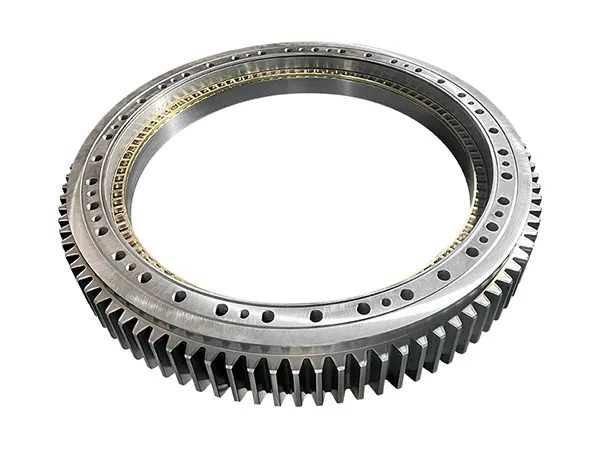
Slewing Flexibility Check:
Regularly check the slewing bearing's rotational flexibility. It should rotate smoothly manually or by operating the equipment slowly.
If noise, impact, jamming, or significant resistance is detected, stop the machine immediately to inspect and troubleshoot the problem.
Seal Inspection:
Regularly inspect the seals for damage, cracks, wear, or oil leaks.
Damaged seals allow contaminants (such as dust and water) to enter the raceway, leading to grease loss and accelerated bearing wear.
If damaged or detached seals are found, replace or reposition them promptly.
Visual Inspection:
Inspect the exterior of the slewing bearing for cracks, corrosion, or deformation.
Carefully inspect the mounting structure around the bearing raceway to ensure the mounting surfaces are free of deformation or uneven wear patterns.
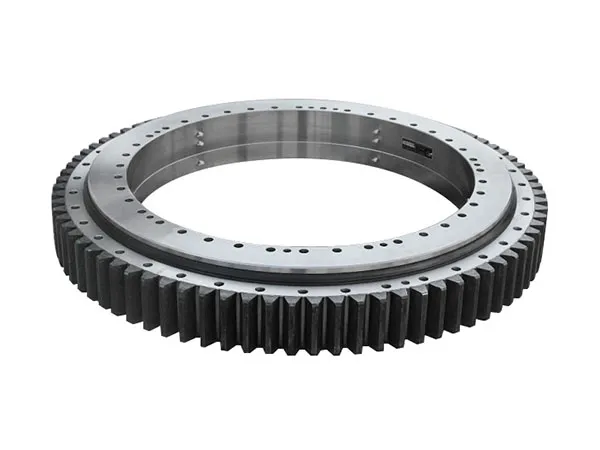
Cleaning: Keep the area around the slewing bearing clean to prevent dirt and foreign objects from entering the seals and gear meshing areas.
Cleaning Method: If using steam or water guns for cleaning, take special care to prevent water from seeping into the slewing bearing connections and raceways. Apply grease immediately after cleaning.
Temperature Monitoring: Extreme heat or cold can affect the performance of the grease and the bearing's lifespan. Use a specialized lubricant that can withstand the operating environment's temperature.
Avoid Impact Loads and Overloading
Overload and impact significantly accelerate bearing wear, even leading to raceway denting or rolling element breakage.
Recommendations:
Avoid sudden starts or stops of equipment.
Install shock protection devices on lifting equipment.
Configure load monitoring systems to prevent overloading.
Adhere to standard operating procedures and avoid operating beyond the limits of the equipment's capabilities.
Good operating habits are a "hidden cost saving" in extending the life of slewing bearings.
Temperature and Environmental Management are Equally Important
Harsh environments accelerate aging and corrosion of slewing bearings.
Maintenance priorities include:
Regularly monitor operating temperature and keep it within the design range.
Apply rust-preventive oil or use sealing devices in humid environments.
Add protective covers in dusty or sandy environments.
Avoid prolonged exposure to corrosive chemicals.
Good environmental management ensures more stable and longer-lasting equipment operation.
In summary, slewing bearings, as the "rotating core" of mechanical equipment, have a service life closely related to routine maintenance.
Through regular inspections, scientific lubrication, proper operation, and environmental management, the stability of slewing bearings can be significantly improved, equipment failure rates reduced, and overall production efficiency increased.
For all types of industrial enterprises, establishing a comprehensive slewing bearing maintenance system not only saves maintenance costs but also ensures long-term reliable equipment operation, making it a crucial element in enhancing competitiveness.