- +86 13837949030 +86 15890619536
- info@lymcbearings.com export@lymcbearings.com
- Bearing Zone,Luoxin Industrial Cluster, Luoyang City,Henan Province,China

Time:2025-09-19 02:04:09 Source:LYMC Slewing Bearing
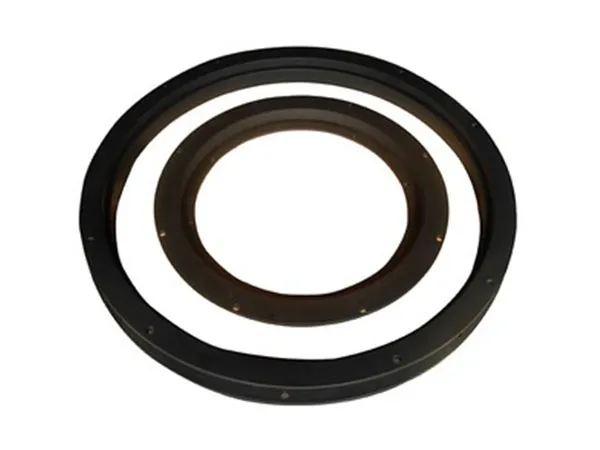
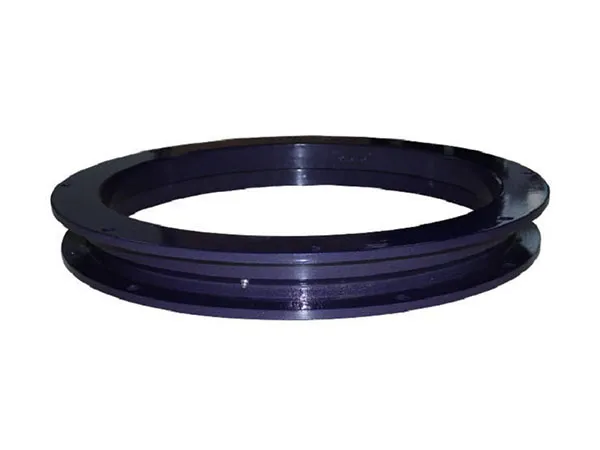
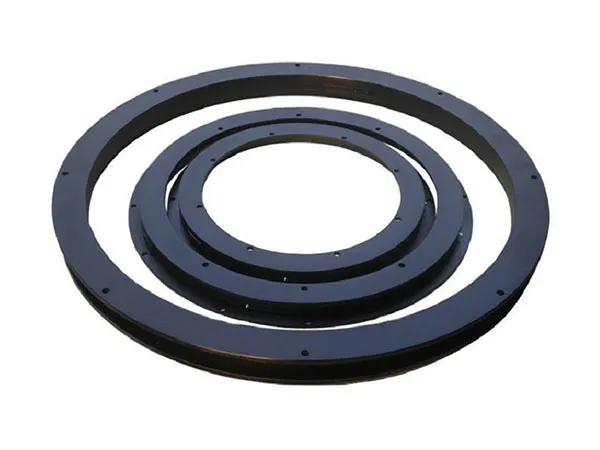
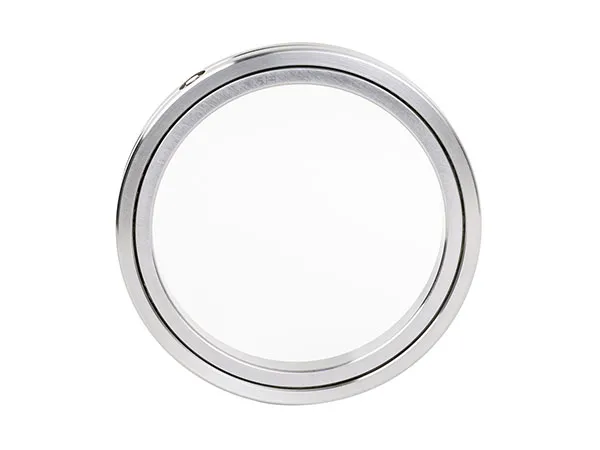
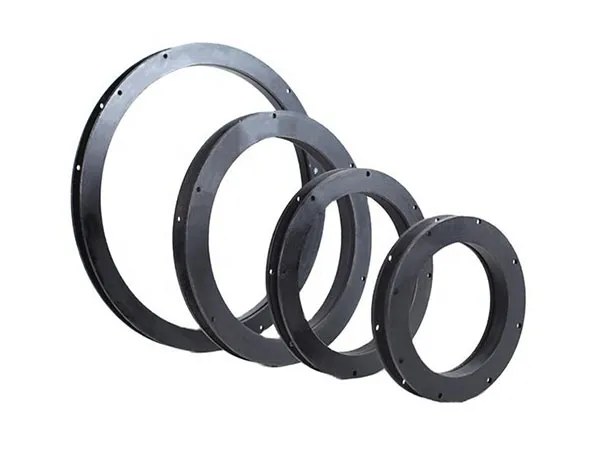
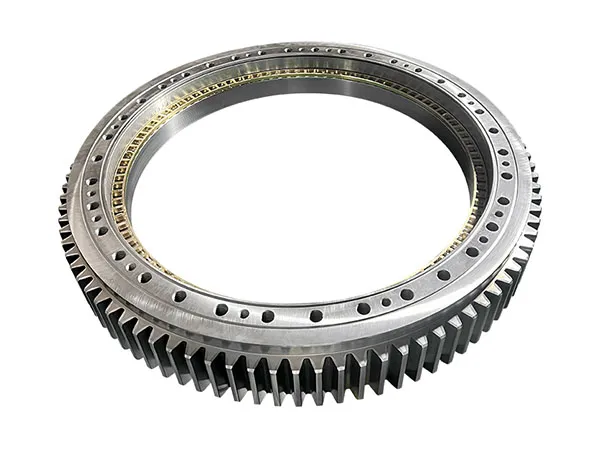
Agricultural trailers are essential tools on farms, used for transporting crops, feed, machinery, and other heavy loads. At the heart of every well-functioning trailer is its steering system, and a key component of that system is the turntable bearing. This agricultural trailer turntable bearings allows the front axle to pivot smoothly, ensuring safe and efficient turning.
Selecting the right turntable bearing goes beyond simply finding one that fits. It requires careful evaluation of factors such as durability, load capacity, resistance to harsh environments, and long-term reliability. Choosing the wrong bearing can result in premature wear, steering issues, frequent maintenance, and even safety hazards, increasing operational costs. Understanding the key selection criteria is crucial for farmers, trailer manufacturers, and maintenance professionals alike.
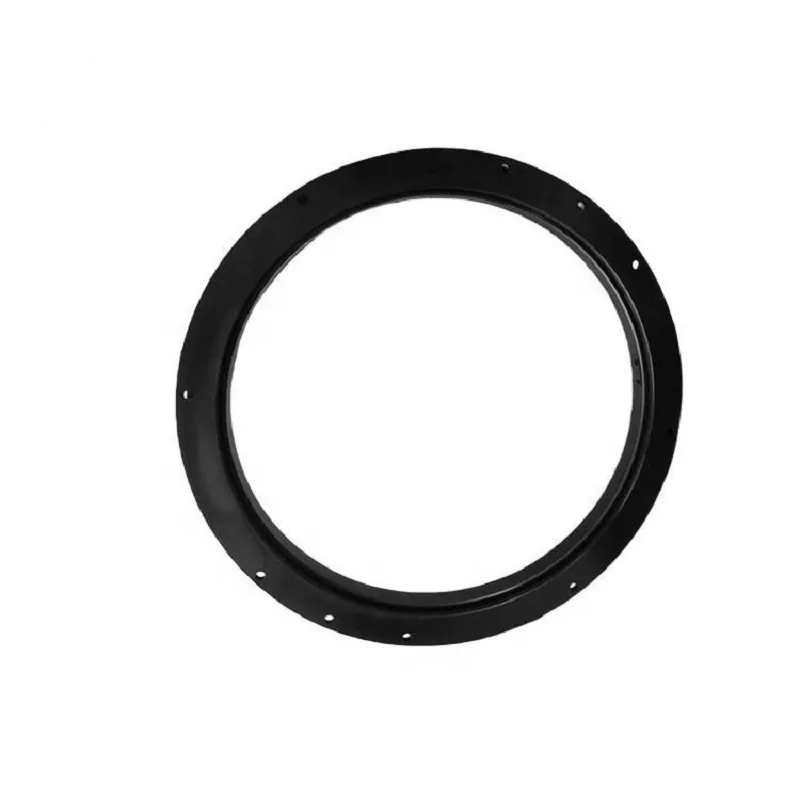
The most critical factor is the bearing’s ability to handle heavy and sometimes uneven loads. Consider both the static and dynamic loads, including the trailer’s weight, maximum payload, and additional forces from uneven terrain or sudden maneuvers. A high load capacity ensures long-term reliability.
Buying Tip: Check the manufacturer’s load rating charts and choose a bearing with at least 20–30% higher capacity than your maximum expected load to account for unexpected stress and uneven terrain.
Turntable bearings come in ball, roller, or hybrid designs, each with different characteristics in load distribution and friction. Agricultural trailers typically require bearings that can handle axial, radial, and moment loads, ensuring stable steering under all conditions.
Buying Tip: For trailers used in muddy or uneven fields, roller bearings are often more durable due to their higher load-carrying capacity, whereas ball bearings may be suitable for lighter, smoother operations.
Durable materials like high-quality, heat-treated steel enhance hardness, wear resistance, and impact tolerance. Bearings should have robust construction to withstand shocks, vibrations, and rough terrain common in agricultural operations.
Buying Tip: Always check if the bearing races and rolling elements are hardened steel and corrosion-resistant, especially for trailers exposed to fertilizers, water, or chemicals.
Farms are harsh environments with dust, mud, moisture, and chemicals. Bearings with effective sealing, such as multi-lip or labyrinth seals, prevent contaminants from entering and lubricants from leaking, extending bearing life.
Buying Tip: Consider double-sealed bearings if your trailer operates in extremely muddy or wet conditions, which greatly reduces maintenance frequency.
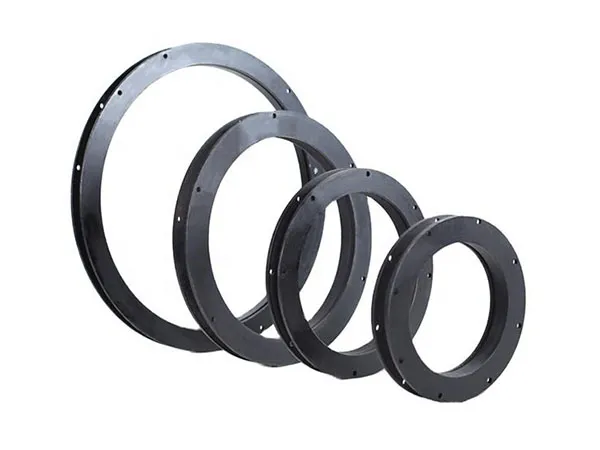
Proper lubrication is key for bearing longevity. Look for bearings that support high-load greases, allow easy re-lubrication through grease zerks, or even maintenance-free designs. This ensures smooth operation across varying temperatures and workloads.
Practical Advice: Even "maintenance-free" bearings benefit from periodic inspection. Regularly clean the grease fittings and check for leaks or unusual noises.
Easy and secure installation is essential to prevent misalignment and premature failure. Bearings designed for straightforward mounting reduce installation errors and downtime.
Buying Tip: Verify the bearing matches the trailer’s axle diameter and mounting bolt pattern. Consider bearings with built-in alignment features for simpler installation.
Consider environmental factors like temperature extremes, UV exposure, and potential impacts. Some bearings feature corrosion-resistant coatings or materials designed for extreme heat or cold, ensuring reliable performance in all conditions.
Example: In snowy or cold regions, low-temperature grease and bearings with protective coatings can prevent freezing and corrosion.
Evaluate both the expected lifespan and maintenance requirements. Bearings with longer service life and low maintenance reduce operational costs and downtime, improving overall efficiency.
Practical Advice: Maintain a service log to track greasing intervals, load conditions, and environmental exposure. This allows you to anticipate replacements before failures occur.
While cost is important, long-term savings often come from investing in high-quality bearings that require fewer replacements and repairs. A durable bearing is a cost-effective solution over time.
Buying Tip: Don’t compromise on quality for a slightly lower price. The cost of frequent repairs, downtime, and potential accidents far outweighs the initial saving.
Choose bearings from reputable manufacturers. Access to technical support, spare parts, and warranties adds peace of mind and ensures reliable service throughout the bearing’s life.
Example: Top brands often provide detailed installation manuals, replacement guides, and field support—resources that can save time and reduce errors.
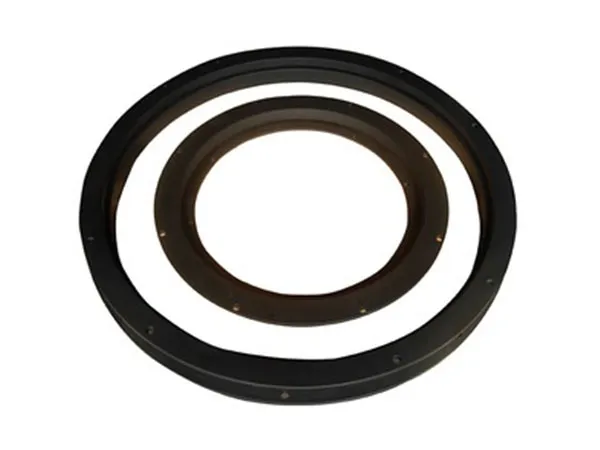
Ignoring Load Ratings: Using a bearing below the required capacity leads to rapid wear and unsafe operation.
Neglecting Sealing Quality: Poor seals allow dirt and water to enter, drastically shortening bearing life.
Mismatched Installation: Wrong size or misaligned bearings cause uneven wear and early failure.
Skipping Maintenance: Even "maintenance-free" bearings need periodic checks to prevent unexpected breakdowns.
Regularly clean the surrounding area to prevent dust and mud contamination.
Check grease levels and replenish with manufacturer-recommended lubricants.
Inspect for unusual noises, vibration, or play in the turntable assembly.
Replace bearings at the first sign of pitting, corrosion, or excessive wear.
For more detailed information on trailer turntable bearing maintenance tips, please click here: Trailer Turntable Bearing Maintenance Guide: Ensure Longevity & Safe Operation
Selecting the right agricultural trailer turntable bearing is critical for safe, efficient, and cost-effective farm operations. By prioritizing load capacity, sealing, material quality, installation ease, and maintenance requirements, farmers can ensure long-lasting performance. Investing in well-designed bearings from trusted manufacturers guarantees smooth steering, reduced downtime, and a safer working environment, ultimately improving farm productivity and operational efficiency.