- +86 13837949030 +86 15890619536
- info@lymcbearings.com export@lymcbearings.com
- Bearing Zone,Luoxin Industrial Cluster, Luoyang City,Henan Province,China

Time:2026-06-15 03:01:46 Source:LYMC Slewing Bearing
A crane is only as reliable as its slewing bearing. This critical component enables 360-degree rotation while supporting immense axial, radial, and tilting loads. Neglecting its maintenance can lead to catastrophic failures, costly downtime, and significantly shortened equipment life. However, with a structured maintenance regime, operators can dramatically extend crane lifespan and reduce total cost of ownership. This article outlines the essential practices for slewing bearing care, drawing on industry best practices and the specialized expertise of LYMC in heavy-duty rotating solutions.
The slewing bearing acts as the mechanical pivot point between the crane's upper structure and its undercarriage or foundation. It must withstand extreme forces while maintaining smooth, precise rotation. Over time, wear accumulates from friction, contamination, and micro-movements. Even minor degradation in the bearing’s raceways or rolling elements can amplify vibrations, increase drive motor loads, and accelerate fatigue in surrounding structures. Proper slewing bearing maintenance is therefore not optional—it is a direct determinant of the crane’s service life. Operators who treat the bearing as a consumable item without proactive care often face premature replacement costs that dwarf the investment in regular upkeep.
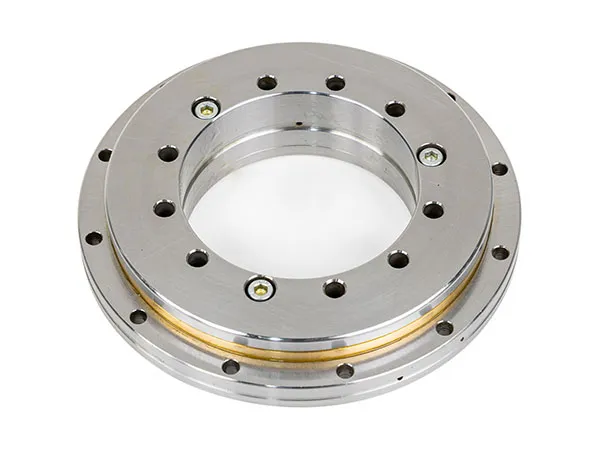
Understanding failure modes helps prioritize maintenance actions. The most frequent culprits include:
Each of these issues can be mitigated through systematic inspection and corrective action before irreversible damage occurs.
Lubrication is the single most effective maintenance task. Use only the grease grade specified by the bearing manufacturer—typically NLGI 2 with EP additives for heavy loads. Relubrication intervals depend on working cycles, ambient temperature, and dust levels. In harsh environments, weekly relubrication may be necessary. Always purge old grease until fresh grease emerges from the seal, and follow the recommended volume per application. LYMC offers automated lubrication systems that precisely meter grease, eliminating human error and ensuring consistent coverage.
Establish a checklist for each inspection interval (e.g., weekly, monthly, quarterly):
When abnormalities are detected, stop operation and consult a specialist. LYMC provides on-site bearing condition assessment using ultrasonic and vibration analysis to detect subsurface defects before they propagate.
Operator training is part of maintenance. Avoid suddenly reversing rotation, side-pulling loads, or parking the crane with a heavy load suspended. Balanced loading across the bearing’s raceway drastically reduces peak stresses. Implement load moment indicators and slew acceleration limiters to enforce safe parameters. Maintaining a log of peak loads and operating hours allows trend analysis that forecasts bearing health.
Seals are the first defense. Replace damaged seals immediately, and consider retrofitting labyrinth seals or positive purge systems in dusty or wet locations. For cranes operating in corrosive atmospheres (marine, chemical plants), apply corrosion-inhibiting greases and ensure all exposed steel components are painted or galvanized. LYMC’s corrosion-resistant bearing variants incorporate stainless steel raceways and special seal compounds for extreme environments.
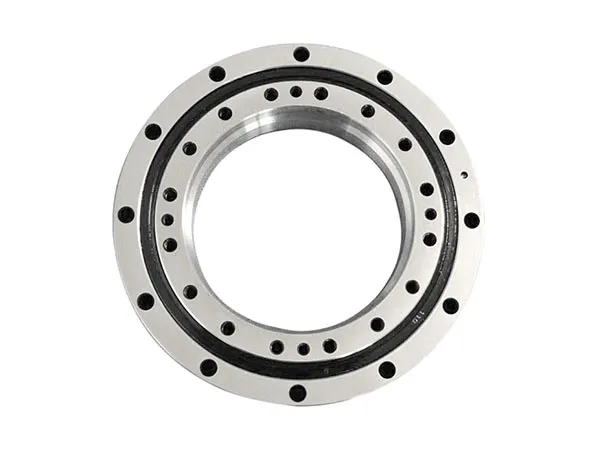
While many companies offer replacement bearings, LYMC specializes in maximizing existing bearing life through precision maintenance support. Our approach includes:
Clients who adopt LYMC’s maintenance programs consistently report 40% to 60% longer bearing service life compared to reactive maintenance approaches, alongside reduced unplanned downtime.
A single slewing bearing replacement can cost tens of thousands of dollars plus weeks of crane downtime. In contrast, a disciplined maintenance program—proper lubrication, regular inspections, load control, and environmental protection—extends the bearing’s life across multiple years. For fleet operators, this translates directly to improved return on assets and fewer operational surprises. Partnering with an expert like LYMC ensures that every maintenance dollar yields maximum protective effect. Start by auditing your current bearing maintenance schedule; if it lacks structured intervals or relies on generic advice, it is time to upgrade. The longevity of your crane depends on it.